Earth boasts an incredibly rich biodiversity, with an estimated 8.7 million species. While paleontological research suggests that some dinosaurs and prehistoric reptiles possessed "feather-like" structures, only birds truly possess feathers on Earth today . This article will introduce you to 25 "feathered" animals in an easy-to-understand way, including their basic characteristics, habits, and distribution.
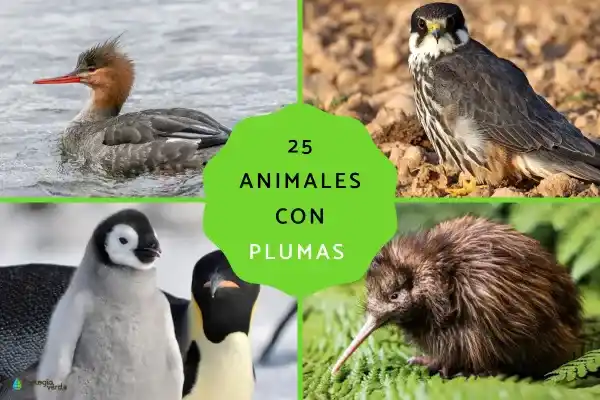
Fun fact: Feathers are not only related to flight, but also serve multiple functions such as insulation, waterproofing, camouflage, courtship displays, and tactile sensation.
Table of contents
What are some feathered animals?
Types and uses of feathers
Flying feathered animals (15 species)
Flyless feathered animals (10 species)
Frequently Asked Questions and Further Reading
1. What are some animals with feathers?
"Feathered animals" are birds . Birds are vertebrates whose bodies are covered with feathers, and whose forelimbs have evolved into wings. Most birds can fly, while a few no longer fly due to their body structure or ecological niche.
Two core features (a version that children can also understand):
Feathers + Wings : The forelimbs become wings, and the feathers help generate lift or stabilize the body.
Constant temperature (internal temperature) : Birds can regulate their body temperature, and feathers play an indispensable role in keeping them warm and insulated.
II. Types and Functions of Feathers
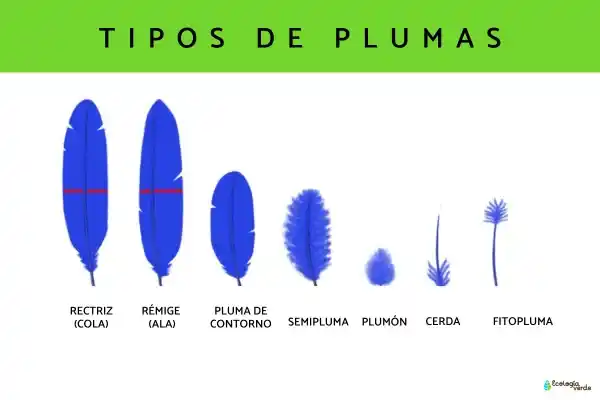
The feathers in different parts of the body have different shapes and clear functions:
Flight feathers (remiges / rectrices) : distributed on the wings and tail, tough in texture, often asymmetrical, and determine flight power and control.
Contour feathers : Cover the entire body, forming an outline and providing some rain protection and airflow guidance.
Semi-feathers : Located beneath the coverts, they are soft and provide enhanced insulation and shape retention.
Down feathers : They fit snugly against the skin, trapping air to form an insulating layer, which also helps waterbirds increase their buoyancy.
Fioplumes : long and slender, with sensory functions that help birds sense changes in feather posture and airflow.
Bristles: These feathers are often found around the beak and act like antennae to help insectivorous birds sense their surroundings, allowing them to catch insects more accurately.
Further explanation: Birds also "pretend" (use secretions from their uropygial glands to coat their feathers) to keep them waterproof, stain-resistant, and flexible; and they "molt" to replace worn-out feathers.
III. Flying feathered animals (15 species)
Note: The scientific/disciplinary name is in parentheses after the Chinese names below, which is convenient for science popularization searches and image comparison.
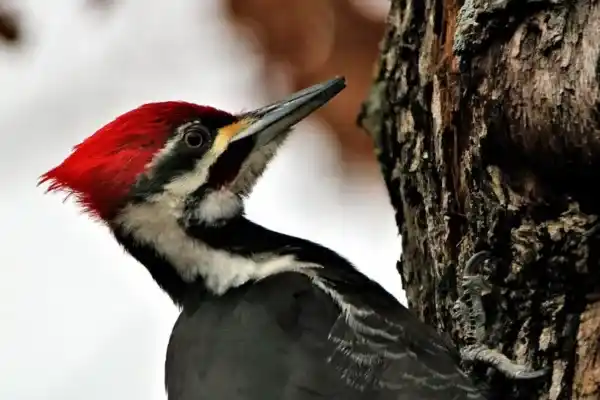
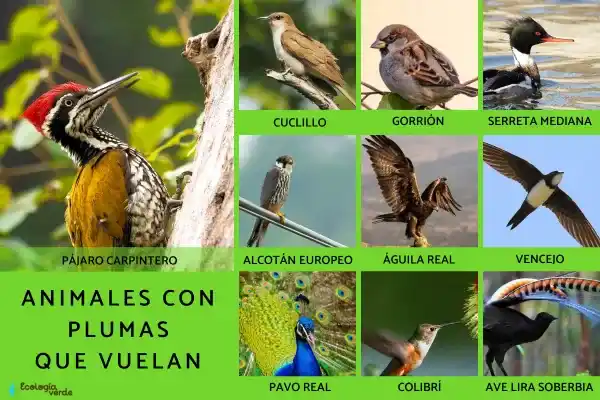
Picidae ( woodpecker family )
Its strong, wood-carving beak and "shock-absorbing skull" are distinctive features. Its long, slender tongue can extend to feed on insect larvae. Its plumage is often brightly colored (red, black, white, etc.), which is beneficial to forest health (insect control and dispersal).
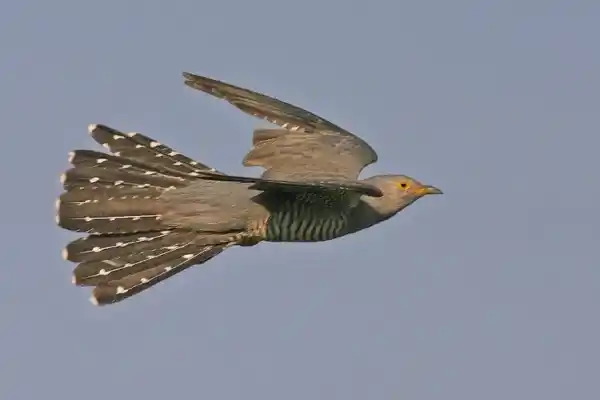
Cuckoo (family Cuculidae)
They are small to medium in size, with relatively long and pointed tails and wings. Some species are known for " nest parasitism "—laying their eggs in the nests of other birds, where the host incubates and feeds them. Their plumage is mostly camouflage, such as gray, brown, or reddish-brown.
House sparrow ( Passer domesticus )
A frequent visitor to human settlements, found in both cities and rural areas. Sexual dimorphism is pronounced : males are more brightly colored, and during the breeding season, a striking "black bowtie"-like patch appears on their throat.

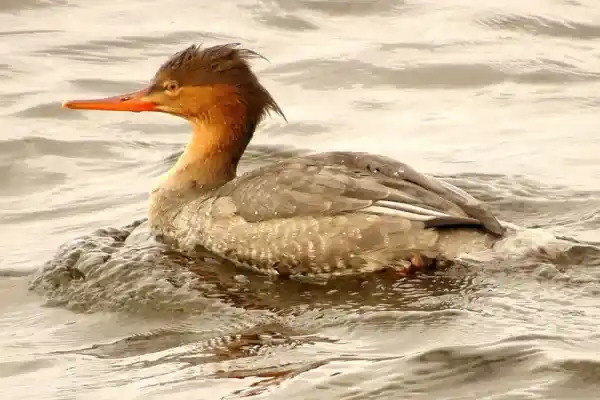
Red-breasted Merganser
It dives to feed on small fish, and its long, slender, serrated beak is advantageous for catching slippery fish. The male often has a dark metallic sheen on its head and a bushy crest, with a reddish-brown band on its chest; the female has a brownish-red head and neck. It is a swift flyer and also an excellent diver.
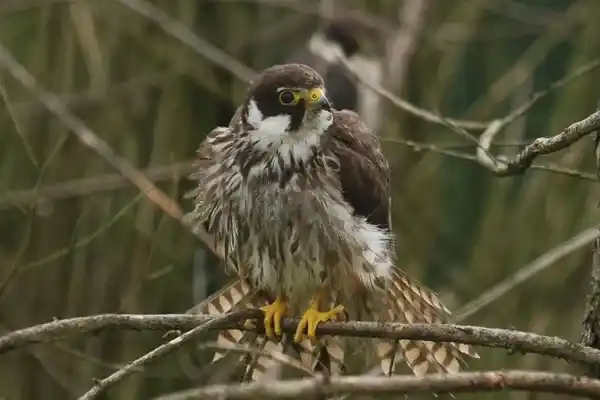
Eurasian Hobby ( Falco subbuteo )
Small in size with narrow, pointed wings, it possesses excellent aerial maneuverability and often hunts dragonflies, small birds, and other prey in the air. Its chest and abdomen have longitudinal stripes or transverse bars, and its cheeks have light-colored patches. It breeds in Eurasia and migrates to Africa and other regions for wintering.
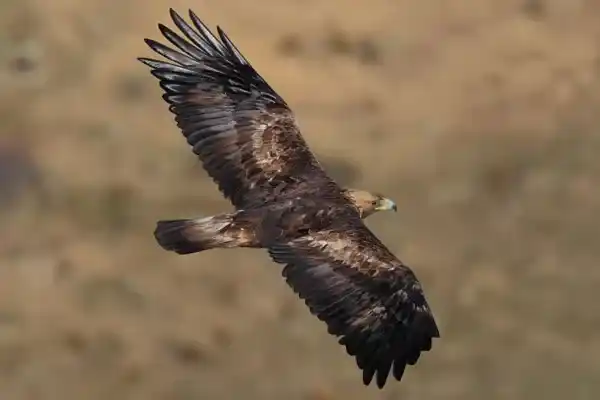
Golden Eagle ( Aquila chrysaetos )
A large bird of prey with golden plumage on its shoulders and neck, and feathered legs ("the booted eagle"). It is extremely fast when diving and is adept at hunting in mountainous and open terrain. Females are usually larger than males.
Common swift ( Apus )
It dedicates almost its entire life to the sky, boasting high flight speed and endurance, and feeds on insects that fly in the air. It has long, sickle-shaped wings, short legs, and its body feathers are mostly dark brown to black.

Blue peacock (Indian peacock) ( Pavo cristatus )
The male has an exaggerated "eye-like" trailing tail, a model of courtship display; the female's plumage is plain. The refraction of the plumage and the structural color work together to create a "splendid blue-green".
Hummingbirds ( Trochilidae)
One of the smallest birds, capable of hovering and flying backwards using high-speed wing flapping and a unique shoulder joint. They feed on nectar and pollinate flowers, and their beak shape and flower shape often co-evolve.
The Magnificent Lyrebird ( Menura novaehollandiae )
Known for its lyre-shaped tail feathers and amazing ability to mimic sounds , it can imitate the calls of other birds and even environmental noises. It lives in the woodlands of Australia and spreads its tail feathers in a dance during courtship.
Flamingos ( Phoenicopterus spp.)
Its distinctive pink color comes from carotenoids found in algae and crustaceans. Its long legs and filter-feeding beak are well-suited to shallow wetlands, and it is highly gregarious.
Macaw (Ara genus)
Large parrots with strong, powerful beaks, adept at crushing nuts and fruit pits; they have stable social and mating relationships, high intelligence, and extremely vibrant plumage.
Toucan (Ramphastidae family)
The large, lightweight, colorful beak is used for feeding on fruit, regulating heat dissipation, and display. It is an important " seed disperser " in the multi-purpose tropical rainforest canopy.
Mandarin ducks ( Aix galericulata )
A famous bird of East Asia, the male has brilliantly colored plumage during the breeding season, featuring "sail feathers." It typically inhabits lakes, river bends, and broad-leaved forests, and exhibits close pairings.
Shoebill Stork ( Balareceps rex )
A star bird of the African wetlands with an "ancient" feel, its large, shoe-shaped beak is well-suited for hunting lungfish and other prey. Its movements are slow and precise, and the parent birds selectively raise their young.

IV. Feathered animals that cannot fly (10 species)
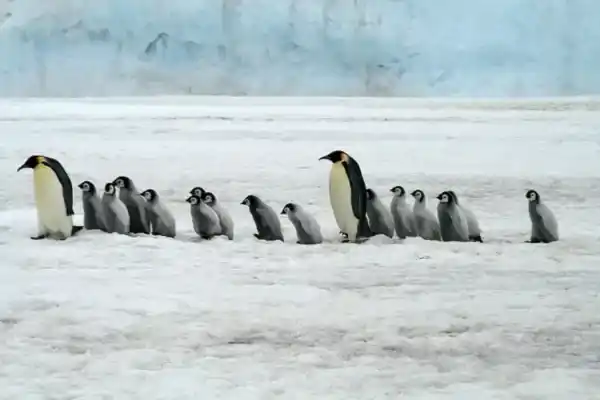
Penguins (family Spheniscidae)
Their forelimbs have evolved into flipper-like wings, allowing them to "fly" in water , while their gait on land is waddling. Downy feathers and body fat help with insulation, and most live in groups to reproduce.
Ostrich ( Struthio camelus )
The world's largest bird, the male is black and white, while the female is brown and gray. Although it cannot fly, it can run at speeds comparable to highway cars, making it a sprinting champion on the grasslands .

Kiwi ( Apteryx genus)
Endemic to New Zealand (not Australia), small in size, with extremely short, skeletal wings and feathers resembling hair. Nocturnal, with a long beak and a highly developed sense of smell.

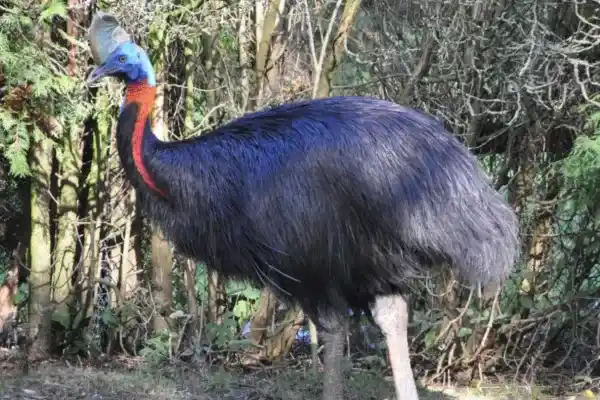
Cassowaries ( Casuarius )
A large, flightless bird of the tropical rainforest, with a bare, bluish-purple head and neck covered by a hard casque. It primarily feeds on fruit and is an important seed transporter in the tropical forest.
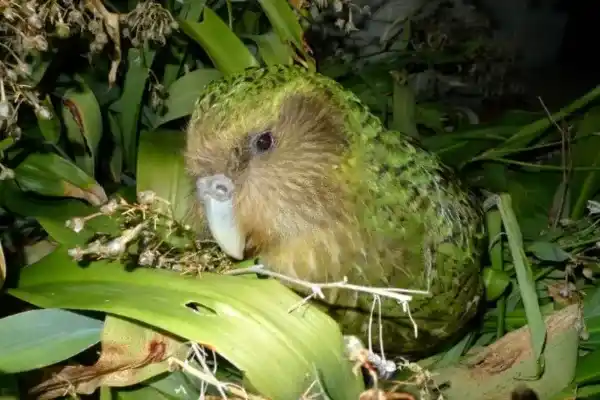
Kakapo ( Strigops habroptilus )
The New Zealand nocturnal flightless parrot is large, long-lived, and its mottled green plumage provides excellent camouflage. Currently critically endangered, it breeds using leks (group courtship grazing grounds).
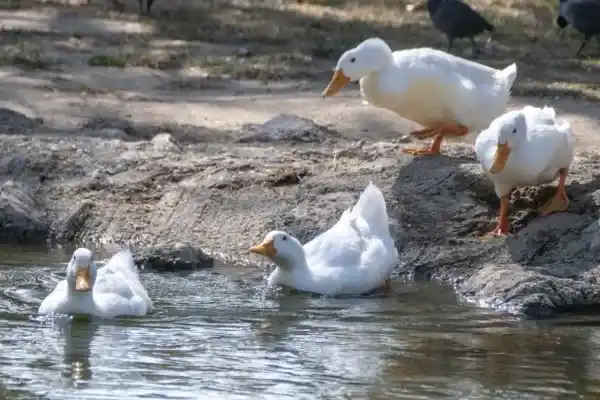
Domestic duck ( Anas platyrhynchos domesticus )
Derived from wild mallards, their ability to fly has weakened or even disappeared due to long-term domestication. They are highly adaptable and come in a variety of breeds.
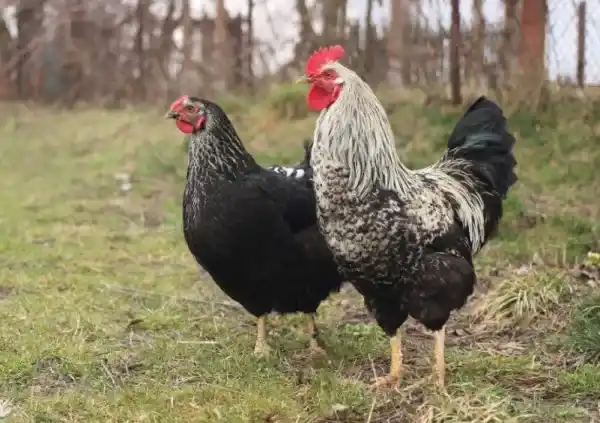
Domestic chicken ( Gallus gallus domesticus )
Feathers are primarily used for insulation and protection, enabling short-distance flapping and gliding, but they are not suited for long-distance flight. They are highly social animals with a clear hierarchical order.
Rhea (genus Rhea )
A large, flightless bird of the South American savanna, similar in appearance to an ostrich but smaller. It is an excellent runner, and the male is responsible for incubating the eggs and raising the chicks.
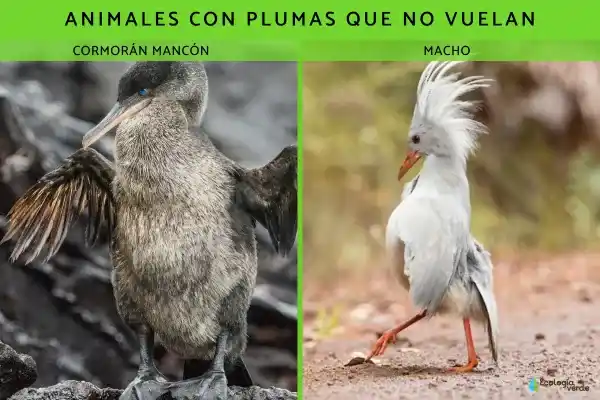
Galapagos Flightless Cormorant ( Phalacrocorax harrisi )
The world's very few flightless cormorants, with an extremely narrow distribution (Galapagos Islands). They have short wings and strong legs, and are adept at diving and fishing.
Kaku ( Rhynochetos jubatus )
Endemic to New Caledonia, it has greyish-white plumage and a beautiful crest. It is mostly found on the woodland ground, is highly alert, and has a loud call.
V. Frequently Asked Questions (FAQ)
Q1: Does having feathers guarantee flight?
Not necessarily. Flight requires multiple conditions, including aerodynamic shape, muscle and skeletal structure. Although penguins, ostriches, and cassowaries have feathers, they no longer fly due to ecological niche or size and structural limitations.
Q2: Why are feathers so "waterproof"?
On the one hand, the structure of the feather shaft and barbs is tight, and on the other hand, birds use the oil secreted by their preen glands to "prep their feathers," making it more difficult for water to penetrate, which is especially important for waterbirds.
Q3: Why are birds so brightly colored?
Besides pigment deposition (such as melanin and carotenoids), many colors come from " structural colors "—the metallic luster or color-changing effect caused by the interference and scattering of light by the microstructure of the feather (such as peacocks and hummingbirds).
Q4: Will the feathers be used continuously?
No. Birds molt regularly to replace worn-out feathers; some also have "nuptial plumage" during the breeding season for courtship displays.
Conclusion and Further Reading
You've now learned about 25 "feathered" animals and the types and functions of feathers. If you're introducing this to your child, you can divide them into themes like "flying/non-flying" and "forest/wetland/city" for a more intuitive and engaging learning experience.