Felines have always held a significant place in the animal kingdom, especially in the terrestrial food chain, where they are among the top predators. Throughout history, many felines have been revered and respected by humans, such as the ancient Egyptians' sanctification of the domestic cat and the Mayan and Aztec civilizations' worship of the jaguar. Today, various felines still inhabit the world, most maintaining a wild lifestyle, with only a very small number domesticated as companion animals.
This article will introduce the main characteristics and classification methods of felines, as well as representative species in each category, and supplement relevant ecological and conservation information.
I. Definition and Main Characteristics of Felines
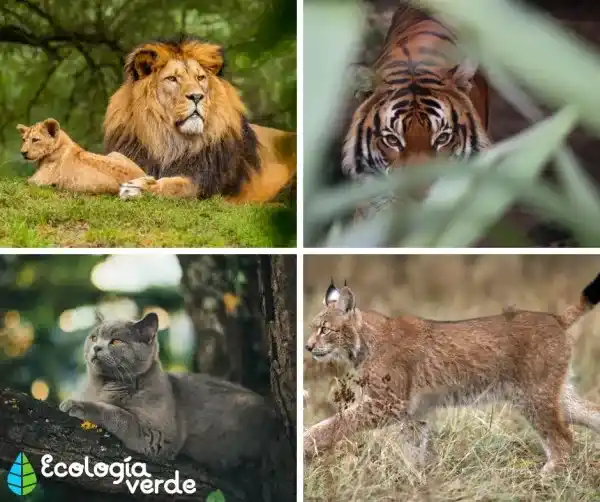
Felidae are a group of mammals belonging to the order Carnivora. They are placental mammals. During evolution, they have developed a series of adaptive traits that make them efficient and agile predators.
Key features include:
Agility and climbing ability : Most felines are excellent runners and climbers, easily climbing trees and leaping over rocks.
Top predators : located at the top of the food chain, possessing sharp teeth and claws, capable of preying on a variety of medium to large animals.
Solitary habits : Most felines are solitary, with only a few species such as lions forming social structures.
Communication methods : Communicate with their peers through growling, growling, howling, or body language.
Keen vision and hearing : Excellent night vision and the ability to detect high-frequency sounds, which helps with nighttime hunting.
II. Classification and Representative Species of the Felidae Family
Felines can be divided into three main categories based on their size and lifestyle: large wild cats , medium and small wild cats , and domestic cats .
1. Large wild cats
These species are mostly apex predators, widely distributed, and of significant ecological importance.
Lion ( Panthera leo ) : King of the African savanna, the only social cat species, with lionesses responsible for most of the hunting work.

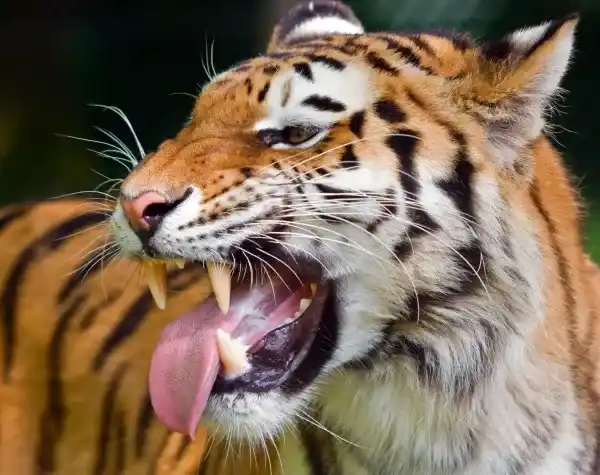
Tiger ( Panthera tigris ) : The largest cat species in Asia, distributed in India, the Russian Far East, Southeast Asia and other regions, with 6 extant subspecies.
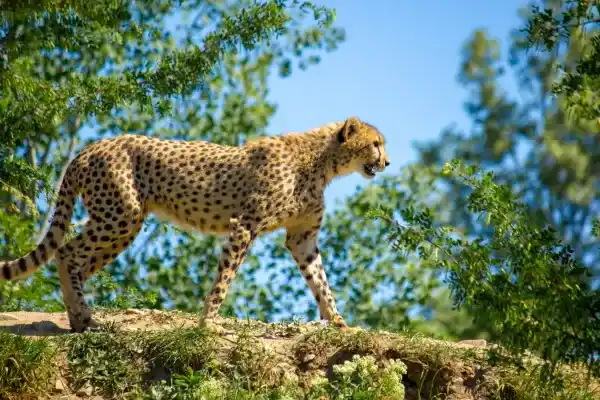
Cheetah ( Acinonyx jubatus ) : The fastest land animal in the world, capable of accelerating to 100 km/h in 3 seconds.
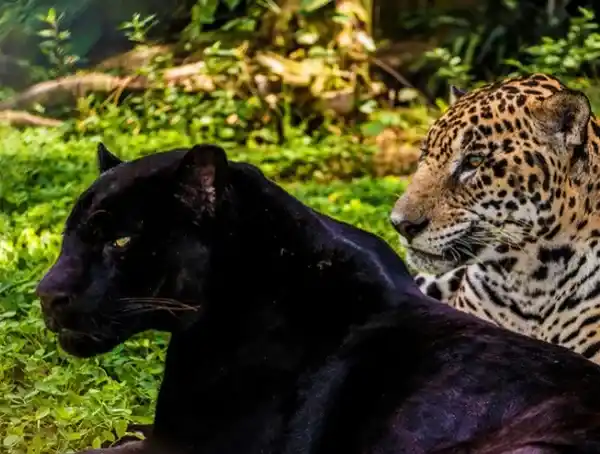
Jaguar ( Panthera onca ) : The largest cat species in the Americas, mainly distributed in the Amazon and Central America, with an extremely strong bite force.

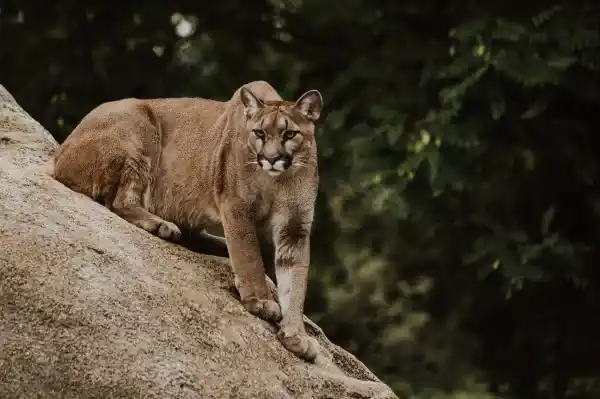
Cougar ( Puma concolor ) : Its range extends from Canada to Chile, and it is also known as the mountain lion or cougar.
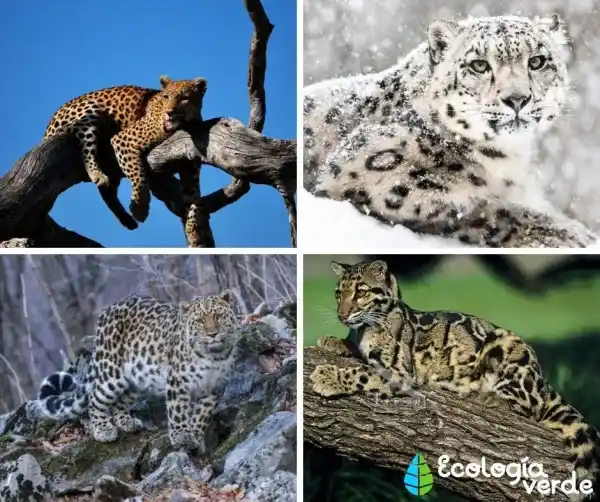
Leopard ( Panthera pardus ) : Found in Africa and Asia, with two coat color variations: golden yellow and all black (black leopard).
Snow leopard ( Panthera uncia ) : Lives in the cold regions of Central Asia and the Himalayas.
Far Eastern Leopard ( Panthera pardus orientalis ) : Critically Endangered species, with fewer than 120 individuals remaining in the wild.
Clouded leopard ( Neofelis nebulosa ) : A stealthy predator in the forests of Southeast Asia, with cloud-like markings on its fur.
2. Small to medium-sized wild cats (wildcats)
These felines mostly live in forests, grasslands, or wetlands. They are small in size, agile, and some species are very sensitive to environmental changes.
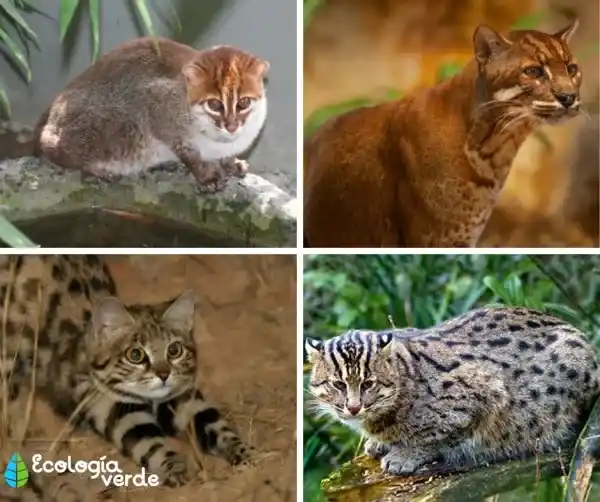
Lynx (genus Lynx) : including Eurasian lynx, American lynx, Canadian lynx, and the endangered Iberian lynx.
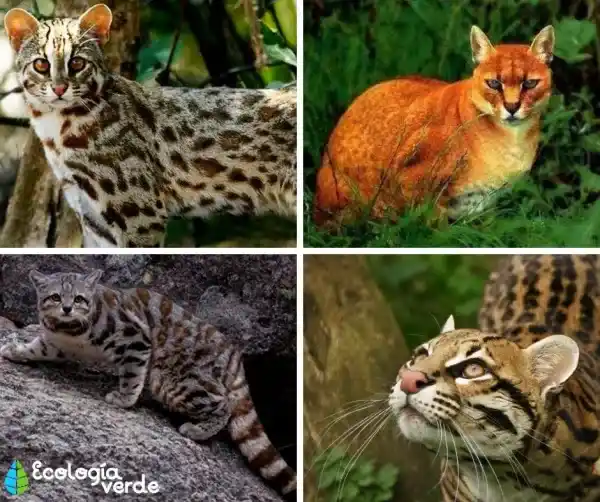
Ocelot ( Leopardus pardalis ) : Found in the forests of Central and South America.
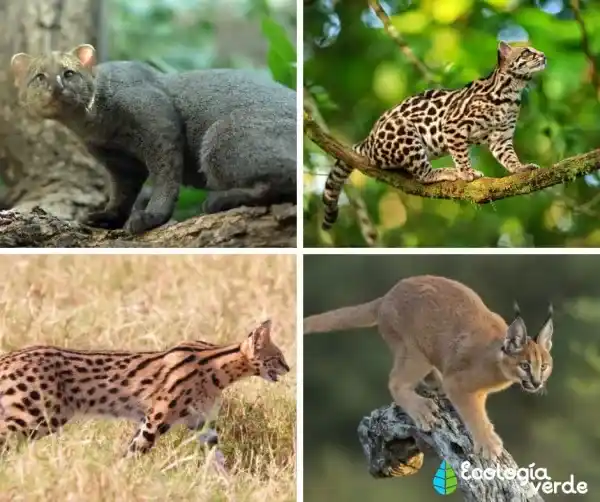
Long-tailed ocelot ( Leopardus wiedii ) : adept at living in trees, with a long and flexible tail.
Fishing cat ( Prionailurus viverrinus ) : Skilled at swimming and catching fish.
Black-footed cat ( Felis nigripes ) : Africa's smallest wildcat, yet a highly efficient hunter.
Lynx (Serval, Leptailurus serval ) : Long legs and large ears, adept at catching small mammals and birds.
Caracal ( Caracal caracal ) : It has a distinctive black tuft of fur on the tips of its ears and is known for its incredible jumping ability.

3. Domestic cat ( Felis silvestris catus )
The only feline domesticated by humans, domestic cats originated in the Near East around 9,000 years ago. They are both companion animals and important helpers in controlling rodents. Domestic cats possess nocturnal hunting abilities and have extremely keen eyesight, hearing, and sense of smell. Based on coat type and body shape, there are dozens of breeds of domestic cats, such as the British Shorthair, Siamese, and Maine Coon.

III. Ecological Value and Conservation Status of Felines
Felines play the role of "natural regulators" in ecosystems, maintaining ecological balance by controlling the populations of herbivores and small mammals. However, they are facing multiple threats, including habitat loss, poaching, and climate change.
Protective measures include:
Establish nature reserves and ecological corridors
Strictly enforce anti-poaching laws
Implement artificial breeding and reintroduction programs (such as the Iberian lynx conservation project).
Raising public awareness of feline conservation
References
Ávila, DM et al., (2016) Overlapping activity patterns of large cats and their primary prey in northern Quintana Roo, Mexico. Therya Journal, La Paz, Vol. 7 (3).
Castaño, C. et al., (2013) Felines and their role in integrated regional planning based on key species. Colombian Caribbean Feline Conservation Program.
Charre, JF et al., (2015) Distribution patterns of wild cats (Felidae) in the arid tropical region of central-western Mexico. Journal of Tropical Biology, San Jose, Vol. 63 (3).