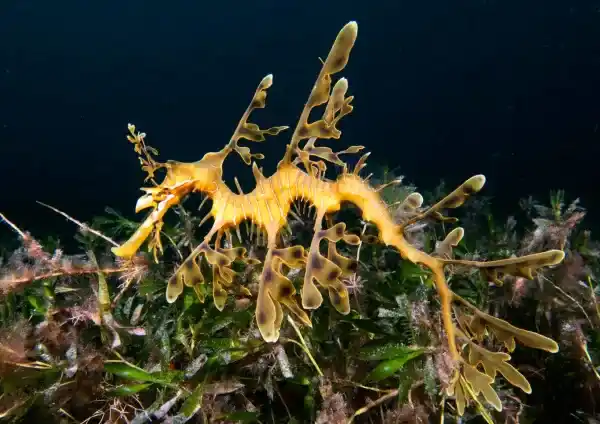
In human society, finding a mate is often an difficult task. Similarly, in nature, many animals require a series of displays and interactions to successfully reproduce. Birds are a prime example. From the melodious songs of male birds to the dazzling display of a peacock's tail feathers, bird reproduction is both complex and captivating.
This article will systematically introduce the entire process of bird reproduction, including breeding timing, courtship displays, mating, nest building, incubation, and chick-rearing behaviors, helping you to fully understand this amazing life process.
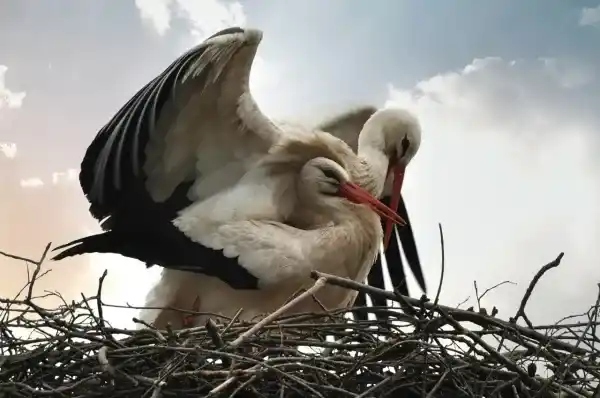
When do birds begin to breed?
The breeding seasons of different bird species vary and are influenced by the following main factors:
Temperature : Rising temperatures mean more abundant food resources, a crucial signal for triggering breeding. Warmer temperatures also attract migratory birds back to their breeding grounds.
Sunlight duration : Increased sunlight helps regulate hormones and initiate the reproductive cycle.
Food supply : Without sufficient food support, the growth of offspring cannot be guaranteed.
Spouse availability : The ability to find a suitable partner is also a key factor.
Despite their differences, most birds breed in the spring . Birds at high altitudes, however, have a shorter breeding season, resulting in faster breeding and chick development.
In addition, there are a few exceptions. For example:
The Loxia curvirostra lays its eggs in winter to take advantage of the abundance of pine nuts at that time.
Pigeons can breed year-round, so they are commonly found in human settlements where food is plentiful.
Courtship behavior: the art of attracting a mate
When the breeding season arrives, birds significantly change their behavior and appearance in a process known as courtship . These displays include:
Display brightly colored feathers, unfolded in a specific manner.
They sing complex calls to attract the attention of female birds.
Perform rhythmic or creative dance and flight movements.
Make physical contact, such as gently touching with your beak or neck.
They release hormonal scents to communicate chemical signals.
The purpose of these behaviors is to allow female birds to select the most suitable male for breeding. This not only helps them distinguish their own kind and reduce conflict, but also enhances familiarity between pairs. If courtship fails, the female will refuse to approach; if successful, the next step is mating.
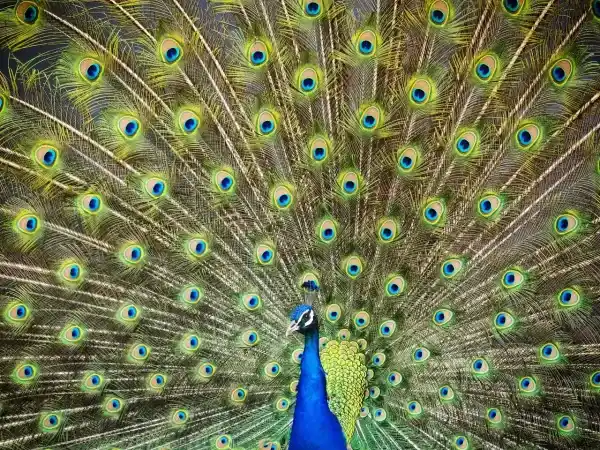
Bird mating process
Birds' reproductive organs are located within the **cloaca**, a cavity that serves both for excretion and reproduction. During mating:
The male and female birds will make contact with each other's cloaca.
The male bird transfers its sperm into the female bird's body.
A small number of birds (such as ducks) have well-developed reproductive organs, but most do not.
After fertilization, the fertilized egg can begin embryonic development in just 2-3 days. Birds are oviparous animals, and the eggs they lay are amniotic eggs , in which the embryo can develop by self-sufficiency within the eggshell.
Nest building and incubation: the crucial middle stage of reproduction
Birds establish breeding territories by building nests, and the locations they choose are commonly found in:
Grass and bushes
On the trees, on the sand
shallow depressions on the ground
underground cave
In humus piles or organic matter
Nest building is usually done by the male as part of a courtship display, but sometimes it also occurs after the female has been fertilized. Nest formations vary among different species, for example:
Bowl-shaped nest
goblet-shaped nest
Hanging nest
underground nest
Use the heat generated by humus to help with hatching
Some birds, such as the **Ornamental Garden Bird (Chlamydera nuchalis)**, also use visual illusions, employing decorations and structural designs to make themselves appear larger and more attractive from the female's perspective.
After building the nest, the female bird begins to lay eggs, usually one egg per day . After laying the eggs, the female bird will sit on them to incubate them, using her body temperature to maintain the embryo's development.
In most birds, incubation is primarily the responsibility of the female, while the male is responsible for foraging.
However, in many species, the male and female take turns incubating.
The incubation period varies depending on the species, but generally ranges from 10 to 60 days .
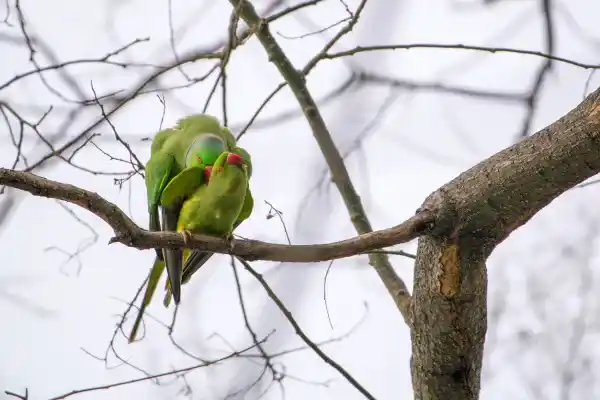
The birth and raising of chicks
After incubation, the chicks hatch using their distinctive "egg teeth," small protrusions that gradually disappear after hatching. Due to different egg-laying times, chicks in a brood often hatch in batches , but some species can coordinate to hatch simultaneously .
After the chicks hatch, both parents share the responsibility of raising them, including:
Feeding: Feed the chicks by regurgitating semi-digested food.
Insulation and protection.
Teach flying and singing skills.
This long-term nurturing mechanism is key to birds' successful reproduction and the survival of their next generation.
Conclusion
Bird breeding behavior encompasses the entire life cycle, from courtship displays to chick rearing, each stage showcasing the awe-inspiring wisdom of nature. Understanding the bird breeding process not only helps us better appreciate these feathered creatures but also provides a scientific basis for ecological conservation and birdwatching activities.
If you would like to learn more about birds, we recommend reading articles such as "Case Studies of Endangered Birds Today" and "Are Birds Vertebrates?"
References
ScienceAQ. (2019). In which year do wild birds lay their eggs? (See: http://it.scienceaq.com/Nature/100213957.html)
Plitt, L. (2010). Birds using optical illusions to attract females. Available at: https://www.bbc.com/mundo/ciencia_tecnologia/2010/09/100915_ave_ilusion_optica_lp
Ackerman, J. (2016). Why bird fathers are superior. (See: https://www.wsj.com/articles/why-bird-fathers-are-superior-1466086239)