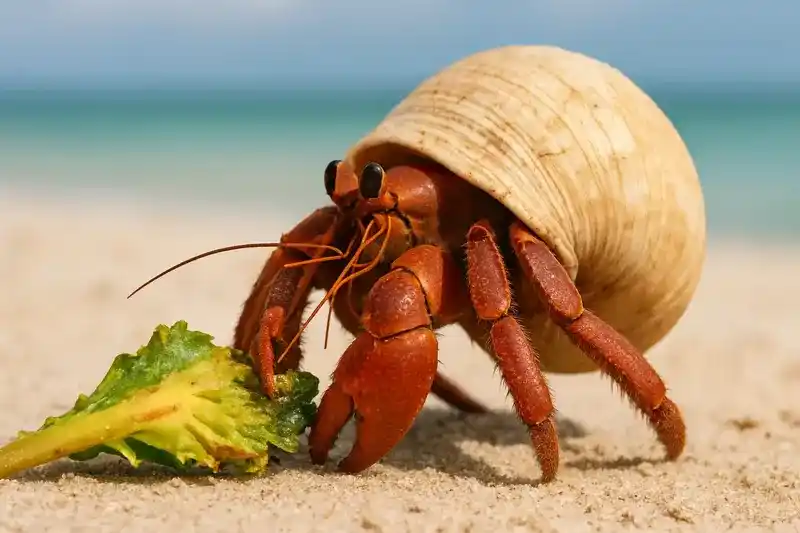
Hermit crabs are a type of decapoda crustacean with a soft-bodied abdomen and no hard shell, relying on external shells for protection. More than 800 species of hermit crabs have been discovered worldwide, distributed in marine, intertidal, and tropical terrestrial environments. As omnivorous scavengers, hermit crabs play an important role in the natural ecosystem and are also becoming increasingly popular pets. This article will analyze the diet, nutritional requirements, and scientific feeding methods for hermit crabs in captivity from a professional zoological perspective.
I. Basic Foraging Behavior of Hermit Crabs
1.1 Natural Cleaners
Hermit crabs are typical omnivorous scavengers, adept at ingesting various organic residues in the environment, including plants, animal carcasses, algae, etc., which are of great value to maintaining ecological hygiene.
1.2 Nocturnal foragers
Most hermit crabs are nocturnal, using their sensitive tentacles to search for food in the dark.
II. What do hermit crabs eat in the wild?
2.1 Marine species
Marine hermit crabs live in reefs, tide pools, or shallow sea areas, and their diet includes:
Various types of seaweed
Fish remains or scraps of flesh
Mollusk shell residue
Organic detritus
Micro zooplankton
2.2 Land Species
Common foods of terrestrial hermit crabs (such as juvenile coconut crabs) include:
Fallen fruit and fallen leaves
Tree bark, tree sap
Dead insects or small animal remains
Bird or reptile droppings (rich in calcium and protein)
2.3 Opportunistic foraging
Hermit crabs do not have a specific prey preference; anything edible and catchable can become their food, including carrion, eggshells, and even old shells containing organic matter.
III. Nutritional Requirements of Hermit Crabs
3.1 Elements of a Balanced Diet
The nutrients needed for a healthy hermit crab include:
Protein : such as insects, fish, cooked meat
Carbohydrates : such as fruits, vegetables, and whole grains
Calcium : Supports shell rebuilding during molting; sources include eggshell powder, cuttlebone, and coral sand.
Fatty acids : such as those found in nuts, seeds, and fish oil
3.2 The Importance of Dietary Diversity
Providing a variety of foods can meet comprehensive nutritional needs and also avoid anorexia or picky eating problems in captivity.
IV. What do hermit crabs eat when they are artificially raised?
4.1 Commercial Feed
There are commercially available dry foods specifically for hermit crabs, which usually contain basic nutrients, but they should be supplemented with fresh food.
4.2 Recommended Ingredients
Suitable foods for keeping hermit crabs as pets include:
Apple slices, bananas, grapes, mangoes and other fruits
leafy green vegetables such as kale and spinach
Freeze-dried brine shrimp, fish fillets, fish meal
Boiled chicken and egg yolks without seasoning
4.3 Foods to Avoid
The following foods should be avoided:
Processed human foods high in salt, sugar, and oil
Onions, garlic, and citrus fruits (which can irritate their digestive system).
Raw beans and raw potatoes (contain toxins)
V. Feeding Frequency and Techniques
5.1 Daily feeding
It is recommended to feed fresh food daily and clean up any leftovers 12-24 hours later to prevent mold or bacterial growth.
5.2 Hydration
Hermit crabs need to be provided with both fresh and salt water, one for drinking and the other for soaking their shells, and they should be placed in shallow, non-metallic dishes.
5.3 Food Placement Method
The ingredients need to be cut into small pieces or thin slices so that the hermit crabs can easily use their claws to eat and chew.
VI. Dietary Adjustments at Different Physiological Stages
6.1 Molting period
During molting, hermit crabs often bury themselves in the sand and fast for several days or weeks, so they should not be disturbed.
6.2 Growth period
Young crabs or those in their active growth stage should increase their intake of protein and calcium to promote shell hardening.
6.3 Breeding Season
It can increase the intake of high-energy foods such as seeds, nuts, and fruits to support the functioning of the physical and reproductive systems.
VII. The role of scavengers in the ecosystem
7.1 Promote nutrient recycling
Hermit crabs accelerate the decomposition of substances and reduce the accumulation of pathogens by ingesting decaying organic matter.
7.2 Maintain ecological cleanliness
Their foraging behavior contributes to the hygiene of beaches and reefs, and also indirectly benefits other biological communities.
VIII. Conclusion: Small body, big impact
Hermit crabs, though small in size, have a complex and flexible diet. They are both indispensable cleaners in the ecosystem and pets that require careful care.
Understanding what hermit crabs eat helps us comprehend their ecological role in the wild and provides them with a longer and healthier life in captivity.