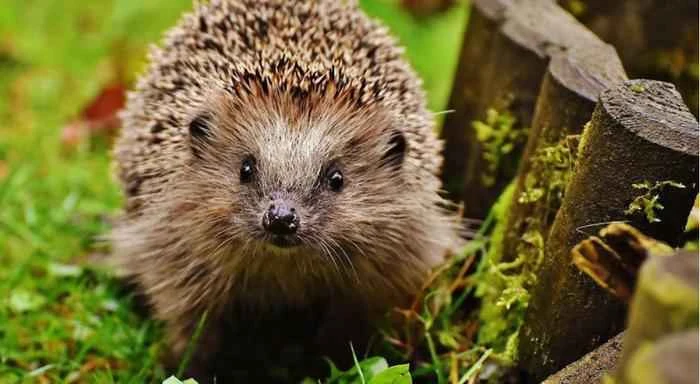
Hedgehogs are small, nocturnal mammals beloved for their densely packed spines and adorable appearance. Widely distributed across parts of Europe, Asia, and Africa, they are also becoming increasingly popular exotic pets. So how long do hedgehogs live? The answer depends on multiple factors, including their species, habitat, and care. This article will explore the lifespan of hedgehogs, influencing factors, and differences between wild and captive environments from a zoological perspective.
I. Average lifespan of a hedgehog
1.1 Wild Hedgehog
In the wild, most hedgehogs have an average lifespan of 2 to 4 years , which is related to the following factors:
Natural enemies (such as foxes, owls, badgers, etc.)
Diseases and Parasites
Habitat loss
Traffic accidents (car crashes are a common cause of death for European hedgehogs)
1.2 Pet Hedgehog
Hedgehogs in captivity, especially African pygmy hedgehogs, can live for 4 to 6 years with good care, and some healthy individuals can even live for 8 to 10 years .
II. Factors Affecting the Lifespan of Hedgehogs
2.1 Species differences
The hedgehog family includes 17 species, and the lifespans of different species vary:
European hedgehog (Erinaceus europaeus) : Approximately 2-5 years in the wild
African pygmy hedgehog (Atelerix albiventris) : Average lifespan in captivity is 4-6 years.
2.2 Genetic factors
Some pet hedgehogs have an increased risk of genetic diseases due to inbreeding, such as cancer, liver and kidney failure, and neurodegenerative diseases.
2.3 Dietary Structure
A balanced diet high in protein and low in fat can help extend lifespan. Suitable foods include insects, lean meat, and specialized hedgehog food. Conversely, overly sweet or high-fat foods can easily lead to obesity or fatty liver disease.
2.4 Environmental Conditions
For pet hedgehogs, the environment is crucial:
Maintain a suitable temperature (22~27℃).
Clean and dust-free matting material
Ample activity space (such as running wheels and tunnels)
Avoid frequent disturbances and stressors
2.5 Medical Care
Regular physical examinations, oral hygiene, and early detection and treatment of common diseases (such as mites and WHS syndrome) can effectively extend lifespan.
III. Common Causes of Death in Hedgehogs
3.1 Wild Hedgehogs
Predation risk : Weak or sick individuals are more likely to become prey.
Car accident : Urbanization leads to frequent hedgehog crossings of roads
Diseases and parasites : common ones include lungworms, fleas, and fungal infections.
3.2 Pet Hedgehog
Cancers : Oral cancer, uterine cancer, etc. are common.
Organ failure : especially liver and kidney failure
Improper feeding : unsuitable temperature, unbalanced diet, lack of exercise, etc.
IV. The Life Cycle of a Hedgehog
4.1 Early childhood (0-6 weeks)
Born without thorns and blind
Weaning at 4-6 weeks
4.2 Adolescence (6 weeks to 5 months)
Rapid growth, with bristles gradually becoming more refined.
Gradually build independent living skills
4.3 Adulthood (5 months to 3 years)
Sexually mature, highly active, and in their peak reproductive period.
4.4 Old age (3 years and older)
Decreased activity
Prone to illness, slow movement
V. How to extend the lifespan of a pet hedgehog?
5.1 Dietary Science
Use specialized hedgehog food, supplemented with insects (such as mealworms and crickets), fruits, and vegetables, avoiding greasy foods and human snacks.
5.2 Hygiene Management
Clean the cage once a week.
Use dust-free, odorless wood shavings or paper scraps as bedding.
5.3 Increase exercise volume
Provide running wheels, toys, and crawling space to encourage nighttime activity.
5.4 Regular veterinary checkups
Have a comprehensive check-up at least once a year to detect potential health problems early.
5.5 Reduce stress
Avoid frequent changes in environment, loud noise, or excessive gripping.
VI. Wildlife Conservation and Ecological Challenges
6.1 Declining Quantity
The number of wild hedgehogs in Europe has declined rapidly over the past few decades, with urban sprawl, pesticide use, and climate change being the main threats.
6.2 Human intervention is beneficial
By setting up "hedgehog tunnels," reducing pesticide use, and establishing safe gardens, the lifespan of wild hedgehogs can be effectively extended.
VII. Conclusion: Small lives also deserve protection.
A hedgehog's lifespan depends on both genetics and its external environment. Wild hedgehogs face numerous challenges, while pet hedgehogs rely more heavily on their owners' scientific breeding and meticulous care.
Understanding the life cycle and survival needs of hedgehogs not only helps improve their well-being but also encourages us to pay more attention to these quiet and lovely creatures around us—whether deep in the forest or in the corner of our bedroom, they deserve to be protected.