Cats are family members to many, silently and warmly accompanying us through the years. When a cat's life is nearing its end, it often doesn't express pain as openly as humans, but rather conveys a "goodbye" signal to its owner through extremely subtle changes. As a pet expert, this article will systematically outline the signs of a cat's impending death from the perspectives of physical manifestations, behavioral changes, and end-of-life psychology, and provide coping suggestions to help owners accompany their cats on their final journey with respect and love.
I. Physical Signs of a Cat's Impending Death
1.1 Decreased appetite or complete refusal to eat
The most common sign of a cat's terminal illness is a loss of interest in food, and even refusal to eat or drink.
1.2 Lethargy and marked drowsiness
A normally lively cat may become extremely quiet, curling up in a corner all day and sleeping for longer periods.
1.3 Shallow or irregular breathing
The breathing rate slows down, and sometimes abnormal breathing patterns such as rapid, intermittent, or abdominal breathing occur.
1.4 Body temperature drops, extremities become cold.
When a person is dying, their body temperature often drops below normal, and their ears and paw pads become noticeably cold.
1.5 Abnormal excretory function
Reduced frequency of urination and defecation
Decreased urine output or even anuria
Incontinence or urination/defecation in unusual locations
1.6 Changes in physical appearance
Rapid weight loss
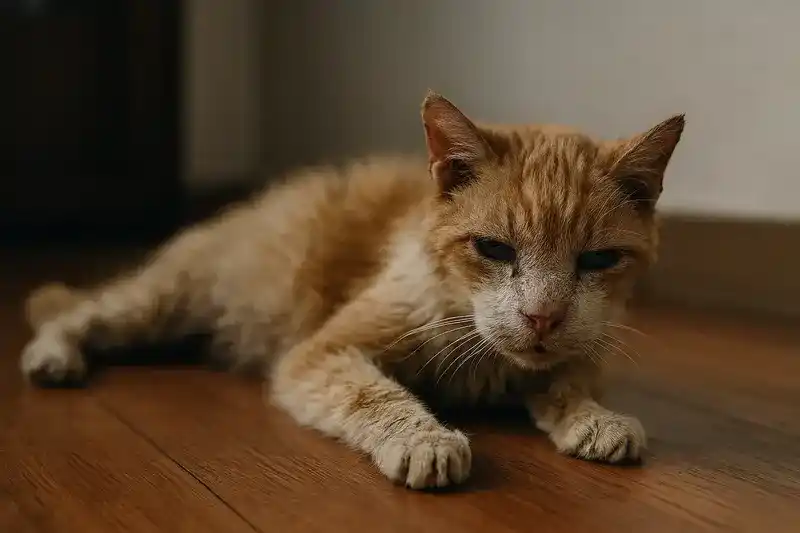
rough, dull hair
Dull eyes, slow pupil response
II. Behavioral Changes
2.1 Avoiding humans and choosing solitude
Many cats choose to stay alone in a quiet, secluded corner before they die; this is an animal's instinct to "find a place to leave."
2.2 Staying close to its owner, unwilling to leave.
Some cats, on the contrary, become more dependent on their owners than usual, craving companionship and petting.
2.3 No longer combing hair
Healthy cats spend a lot of time grooming themselves to keep clean, while terminally ill cats often stop grooming themselves.
2.4 Changes in vocalization
Some cats will make low, hoarse, or continuous meows before they die, sometimes to express pain or to seek comfort.
III. Emotional and Psychological Aspects
3.1 Emotional apathy or anxiety
The cat may become aloof, indifferent, or sometimes restless and unable to sleep.
3.2 Abnormal Behavior
For example, suddenly becoming aggressive, or repeatedly pacing or shouting, are all signs of nervous system deterioration.
IV. How to gently accompany your cat through its final moments?
4.1 Do not force-feed.
You can provide soft foods such as nutritious purees and chicken soup, but you should not force-feed them.
4.2 Provide your cat with a quiet and safe environment.
Provide a soft mattress, avoid disturbance, and allow it to rest in peace with dignity.
4.3 Spend more time with them and speak softly.
Cats can sense their owner's emotions and voice; gentle comfort and stroking can bring them solace.
4.4 Consult a veterinarian for advice
Depending on the circumstances, palliative care or humanitarian euthanasia may be considered to alleviate suffering.
V. How to cope with the grief of losing a beloved cat?
5.1 Allow yourself to be sad
There's no need to suppress emotions; crying and reminiscing are natural emotional releases.
5.2 Sharing memories with others
Sharing your cat's story with family and friends is a way to remember them and receive support.
5.3 Commemorative Ceremony
You can prepare a photo wall for your cat, plant a tree, or write a letter to let the love continue.
5.4 Do not rush to fill the gaps
Every cat is unique. Give yourself time to heal before making new choices.
VI. Conclusion: The end of life is the sublimation of love.
Cats can't express farewell with words, but they tell a story through their eyes and actions. When you notice these subtle changes, don't ignore them, and don't be afraid; it's their final way of saying goodbye.
The companionship you give it is the gentlest response. At the end of its life, the most important thing is not medical treatment, but your unwavering care and love.