Spaying or neutering cats not only prevents uncontrolled breeding but also has a positive impact on their health and behavior. As a pet expert, I'm often asked, "At what age can my cat be spayed or neutered?" This isn't just about timing; it also relates to surgical risks, behavioral management, and long-term health. This article will provide a detailed analysis of the best time and precautions for spaying or neutering cats from multiple perspectives.
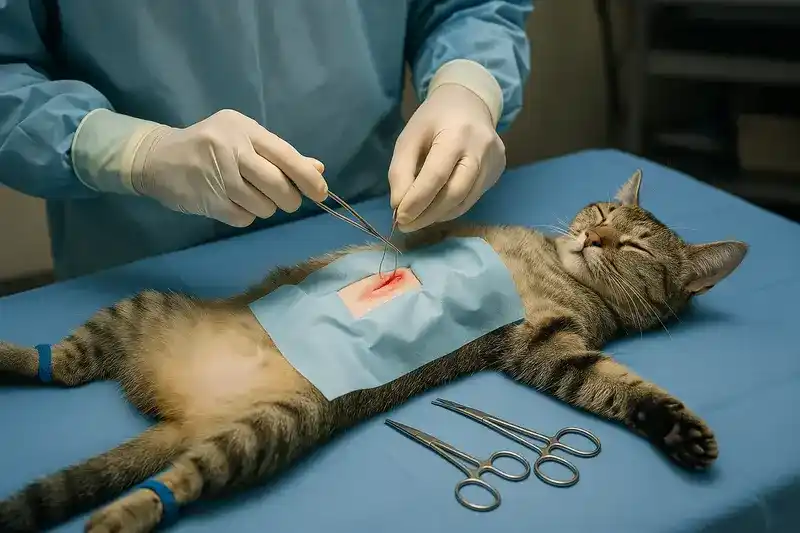
I. Basic Concepts of Cat Spaying/Neutering
1.1 What is sterilization?
Spaying/neutering involves castration (removal of the testicles) in male cats and oophorectomy/hysterectomy in female cats. This procedure aims to terminate a cat's fertility while regulating its sex hormone levels to prevent a range of hormonal behavioral problems.
1.2 Why should cats be spayed or neutered?
To prevent accidental breeding and reduce the number of stray animals
Reduce the risk of reproductive system diseases such as pyometra, testicular cancer, and breast cancer.
Reduce behavioral problems such as spraying urine, fighting, and estrus barking.
It helps extend a cat's lifespan and improve its quality of life.
2. At what age can cats be spayed/neutered?
2.1 General Recommended Age
Most veterinarians recommend spaying or neutering cats when they are 5 to 6 months old. At this age, the cat's body is basically fully developed, the risks of anesthesia and surgery are relatively low, and they have not yet experienced their first estrus (especially for female cats).
2.2 Early sterilization (8-16 weeks)
In recent years, some animal welfare organizations have promoted "early sterilization," which involves surgery performed between 8 and 16 weeks of age, and is particularly suitable for cats in shelters or before adoption.
advantage:
Effectively prevents early estrus and reproduction
Minimal surgical trauma and rapid recovery
It helps to form good behavioral habits earlier.
Potential risks:
For individuals who are not yet fully developed, a higher standard of anesthesia management is required.
It may have a minor impact on bone development, but there is currently no clear research indicating serious negative consequences.
2.3 Can adult cats still be spayed/neutered?
Of course. As long as the cat is healthy, even if it is 1 year old, 3 years old, or even 10 years old, it can safely undergo surgery after a pre-operative examination and evaluation.
Special note: For female cats that have gone into heat multiple times, or individuals with reproductive system abnormalities, spaying or neutering may be a necessary treatment.
III. Differences in neutering between cats of different sexes
3.1 Male cat
Optimal time: Before 5-6 months of age
Purpose and benefits:
Avoid testosterone-driven urination.
Reduce the tendency for cats to run away from home and fight with other male cats.
Reduce the risk of testicular tumors and prostate disease
Precautions: The surgery is relatively simple and the recovery time is short. Patients can usually regain full consciousness within 24 hours.
3.2 Female cat
Optimal time: Before the first estrus (around 5-6 months old)
Purpose and benefits:
To avoid symptoms such as persistent estrus, decreased appetite, and irritability caused by estrus.
Significantly reduces the risk of breast cancer and uterine diseases.
Preventing unintended pregnancy
Important Notes: Spaying a female cat involves abdominal surgery, which has a long recovery period. Generally, it requires 3-5 days of postoperative observation.
IV. Precautions before and after sterilization surgery
4.1 Preoperative preparation
Fasting and abstaining from water for 8 hours before surgery
Make sure your cat is in good health and has no colds or digestive problems.
Vaccination and basic physical examination
4.2 Postoperative care
Provides a quiet, warm, and clean resting environment.
Prevent licking of the wound (an Elizabethan collar can be used).
Maintain a light diet and eat small, frequent meals.
Continue to monitor body temperature, mental state, and bowel movements.
Attend follow-up appointments and have your sutures removed on time (some surgeries use absorbable sutures).
V. Common Misconceptions and Answers
5.1 "Will my cat get fat after being spayed/neutered?"
It's certainly possible. A drop in hormone levels can lower a cat's basal metabolic rate, potentially leading to decreased activity. However, obesity can be completely prevented by controlling diet and increasing exercise.
5.2 "Is spaying/neutering inhumane to cats?"
On the contrary, spaying/neutering is part of responsible pet ownership. It helps reduce suffering, prevent disease, and improve quality of life.
5.3 "My cat is too young/too old to be spayed/neutered?"
Age is not the only factor to consider. As long as the cat is healthy and has undergone a professional evaluation, surgery can be safely performed regardless of whether the cat is a few months old or a teenager.
VI. Conclusion: Scientific sterilization protects a cat's lifelong health.
Choosing the right time to spay or neuter your cat is a responsibility and a sign of wisdom for every pet owner. From disease prevention to behavioral management, spaying or neutering is a beneficial decision in the long run.
With proper veterinary guidance, timely surgery scheduling, thorough pre-operative preparation, and meticulous post-operative care, your pet will enjoy a more stable and healthy life journey.
Remember, care begins with science, and responsibility begins with sterilization.