Many cat owners are puzzled by a seemingly strange but potentially dangerous behavior in their cats: chewing or even swallowing plastic bags. At first glance, this behavior may seem cute or amusing, but from a professional perspective, it may reflect certain physiological or psychological problems in the cat. This article will comprehensively analyze why cats eat plastic bags from multiple perspectives and how to properly deal with this behavior.
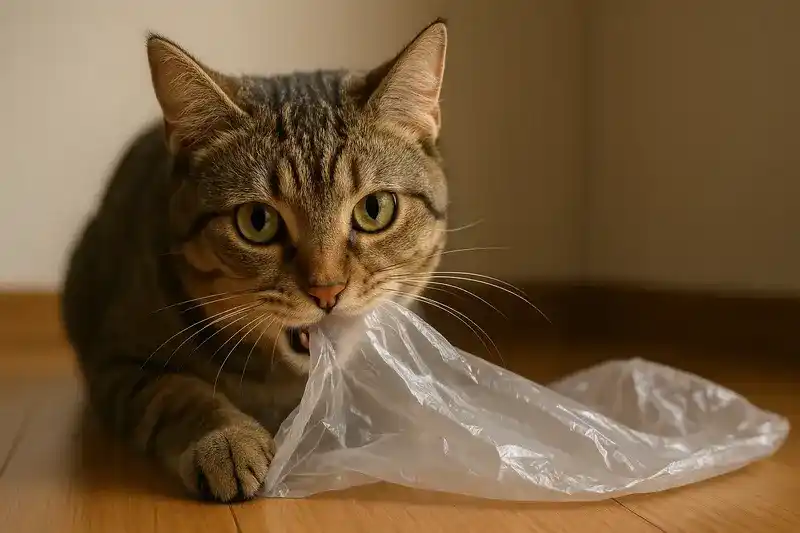
Why are cats so fond of plastic bags?
1.1 The appeal of texture and sound
The thin, soft plastic bags often make a rustling sound that stimulates a cat's hunting instincts. This sound may be similar to the sound of prey moving in hay to a cat's ears, thus triggering the urge to pounce and bite.
1.2 Residual food odor
Many plastic bags (especially shopping bags) may retain the smell of food, meat, or dairy products. Cats have an extremely sensitive sense of smell, and even faint scents that humans cannot detect can be very attractive to them.
1.3 Novel Touch
Cats love to explore the world with their mouths. Plastic bags are smooth and have a certain elasticity, which provides a unique tactile experience for curious cats, especially kittens and cats in their developmental stages.
1.4 Animal-derived substances in plastic components
Some plastics are made using animal fats (such as tallow), which release scents that are attractive to cats, prompting them to lick or chew them.
2. Pica: A behavioral disorder in cats where they eat plastic.
2.1 What is pica?
Pica is a behavioral disorder in animals that involves chewing or swallowing non-food objects. Cats often exhibit this behavior by eating fabric, paper, plastic, rubber, etc.
2.2 Possible triggers for pica
Nutritional imbalance : lack of certain trace elements, minerals or dietary fiber.
Boredom or loneliness : Lack of environmental stimulation and companionship may lead to abnormal behavior.
Anxiety or stress : Changes in environment, the arrival of a new pet, changes in family structure, etc., can all cause anxiety in cats, which they relieve by chewing.
Genetic factors : Some breeds, such as Siamese cats and Burmese cats, are more prone to pica.
III. Potential Health Risks of Cats Ingesting Plastic
3.1 Hazard of suffocation
A plastic bag can get stuck in a cat's throat, causing breathing difficulties or even suffocation, which is a medical emergency.
3.2 Gastrointestinal obstruction
Swallowing plastic can cause gastrointestinal blockage, leading to vomiting, loss of appetite, and in severe cases, surgical treatment.
3.3 Risk of poisoning
Some plastic products contain toxic chemicals such as BPA and phthalates, which may cause chronic poisoning if chewed or ingested over a long period of time.
IV. How to prevent cats from chewing plastic bags?
4.1 Eliminate the source of contact
Store plastic bags in a sealed space where cats cannot access them, and use eco-friendly cloth bags instead of disposable plastic bags.
4.2 Provide alternatives
Provide your cat with safe chew toys or food substitutes, such as:
Chewable cat toys
Interactive toys containing catnip
Edible teething snacks
4.3 Increase environmental richness
Preventing boredom:
Schedule daily interaction time (such as using a cat toy or laser pointer).
It provides exploration spaces such as cat trees, cat tunnels, and window viewing platforms.
Set up intelligent feeders, puzzle toys, and other items to stimulate intelligence.
4.4 Relieving Stressors
For cats exhibiting anxious behavior:
Maintain a stable daily routine
Use a cat pheromone spray or diffuser (such as Feliway).
Use anti-anxiety health products under the guidance of a veterinarian
4.5 Dietary Inspection and Adjustment
Please consult a veterinarian to check if your cat's diet is balanced. If necessary, supplement with dietary fiber or switch to high-quality cat food to reduce pica behavior caused by nutritional deficiencies.
5. When should I take my cat to the vet?
If your cat is frequently chewing or swallowing plastic bags, or if it is suspected of having ingested them, seek veterinary attention immediately. The following symptoms are warning signs:
Continuous vomiting
listless
Difficulty defecating or no defecation at all
Drooling or scratching the mouth
Early intervention is key to avoiding serious complications.
VI. Conclusion: Understanding Big Health Through Small Behaviors
While a cat's chewing of plastic bags may seem harmless, it could actually reflect psychological stress, malnutrition, or behavioral problems. As responsible cat owners, we should be observant and take scientific intervention measures.
By adjusting their living environment, paying attention to their emotional state, cooperating with dietary adjustments, and following professional veterinary advice, most cats can get rid of this undesirable behavior and restore a healthy and happy life.
Don't forget—behind every "quirk" there may be a cat's unspoken message.