Most cats are loners, so it's important to be mindful of boundaries when interacting with them. If you do things that your cat dislikes, you might never be able to bond with them. So, what behaviors do cats hate from their owners? Maigoo has compiled a list of 10 things cats hate most about their owners, such as: staring at them for extended periods, taking them outside, keeping them in a cage, forcibly petting them, not playing with them, bathing them, and changing their routines. Let's take a look.
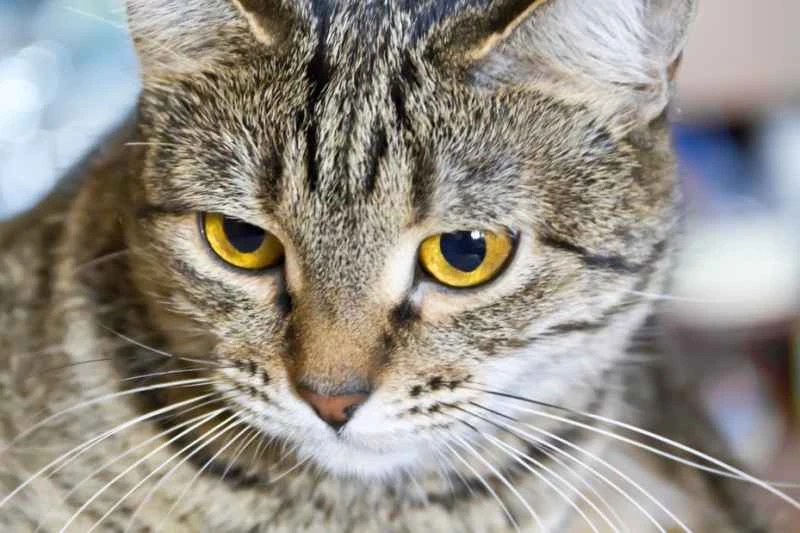
1. Staring at it for a long time
Staring at a cat for too long is one of the things cats hate most. A cat's eyes are bright and beautiful, and it's captivating to look at them. However, in a cat's world, prolonged eye contact is a sign of provocation. Therefore, when stared at by a "giant" like us, a cat might feel that we want to hit it or even eat it. If a cat turns its head away when you stare into its eyes, it means it's giving in and is scared. Owners can try gently blinking at their cats; in a cat's eyes, this is an expression of affection.
2. Take it out
Taking them outside is one of the things cats hate most about their owners, and it's very easy for them to experience a stress response. Unlike dogs, cats are naturally timid and prefer to stay quietly in their own territory. They are often wary of strangers. Even unfamiliar people or other cats coming to the house can make them feel nervous and scared. Taking them out, especially to a bustling, noisy city, will make them uneasy and anxious. Some cats may even experience a stress response, and in severe cases, it can even lead to death.
3. Being locked in a cage
Being confined in a cage is one of the ten behaviors cats hate most and is very likely to cause psychological problems. No one likes being locked up, and similarly, cats need enough space and freedom to move around and play. When a cat finds itself in a cage, it will try to find a way out. If cats are kept in cages for extended periods, their mood swings will be very noticeable and frequent; they will become irritable, timid, and easily startled. Furthermore, cats' bodies are naturally designed for jumping and climbing; prolonged confinement in a cage will gradually weaken the muscles and support in their limbs, and damage their joints.
4. Forcibly petting a cat
What do cats hate most about their owners doing to them? Forcing them to be petted is one of them. Cats are independent and free-spirited animals; they enjoy moving and playing freely and dislike being forced to do things they don't like or feeling restricted. If the owner is overly enthusiastic and constantly tries to hold the cat, it will make them feel uncomfortable and stifled. Forcing a cat to be petted when it's alone or unfamiliar with you will also make it very disliked. To get your cat to approach you willingly, you can use freeze-dried treats to lure it in.
5. Don't play with them.
While cats need their own space and freedom, they are also social animals and require attention and companionship from their owners. If you neglect your cat for extended periods, making it feel unimportant, it may develop resentment towards you. Furthermore, because cats engage in a lot of hunting daily in their natural environment, if they aren't played with at home, they will "look for things to do" to vent their pent-up playful desires. This might manifest as mischief, such as poking and biting things around the house, which can seem unreasonable to you. Even though everyone is busy with work, it's best to try to spend at least 10 minutes each morning and evening playing with your cat.
6. Bathing the cat
What behaviors from their owners do cats that they dislike the most? Bathing them is something many people find hard to understand. Unlike dogs, which need frequent baths, cats are clean animals that groom themselves. They lick themselves clean every day. Bathing not only doesn't do any good, but it can also be harmful. Bathing can affect skin health, causing changes in the types and quantities of the body's natural flora, and reducing the protective properties of their fur. Furthermore, bathing can affect a cat's ability to recognize its own scent. Finally, bathing is a significant source of stress for cats. The correct approach is to minimize the frequency of bathing. We should be more diligent in keeping our homes clean.
7. Change its daily routine
Cats are similar to humans in some ways: they dislike change. They prefer routine and enjoy the same food, treatment, and people and pets in their environment. Any significant disruption to their daily routine will drive them crazy. If your cat exhibits behaviors such as urinating or defecating inappropriately, hiding, avoiding contact, increased aggression, loss of appetite, or personality changes, it's highly likely that you altered its daily routine first. For example, you might have changed its food, moved its eating or drinking areas, introduced new litter, or relocated the litter box.
8. Forced dragging
Cats are very sensitive animals and dislike being excessively hugged, teased, or inappropriately petted. Sometimes we really want to play with our cats, but they won't come over no matter how much we call them, or they might even hide. Many people then try to pull them out and force them to play, but if a cat doesn't want to play, don't force it. Forcibly dragging it will cause it to lose its balance, making it feel insecure and stressed. You can use a cat toy or a small treat to entice it, but never use violence to pull it out.
9. Touch its restricted areas
In nature, cats are both predators and prey, so they have certain vulnerable body parts that they don't like to be petted. This is especially true when a cat doesn't fully trust you. Generally speaking, cats dislike being petted on their abdomen or sides. Some kittens don't like having their paws touched. Cats prefer having their head, chin, or back petted. Here are some signs that a cat will react when its territory is touched: ① its tail wags rapidly; ② its ears turn back; ③ its pupils dilate and its expression becomes noticeably impatient; ④ it struggles and tries to escape; ⑤ in severe cases, it may paw at the cat, kick it, or bite it.
10. The owner sprays perfume
Cats have an extremely sensitive sense of smell, and perfume scents are very irritating and unpleasant to them. Firstly, cats primarily rely on scent to identify you, and overly strong perfume might prevent them from recognizing you. Secondly, most perfumes contain essential oils and alcohol, which are highly irritating to a cat's nose and can be toxic if absorbed into their body. Similar to perfumes, the essential oils and alcohol in fragrances are toxic to cats; overly strong scents can impair their sense of smell and harm their health.