Almost all wolf species have the same number of chromosomes as dogs, which means that they are technically capable of interbreeding.

Genetic studies have shown that chromosomes are coiled structures containing genetic material, DNA. The number of chromosomes in an organism is constant within each species. Whether plant, animal, or microorganism, the number of chromosomes in an organism remains almost unchanged within its species, which is a crucial basis for biological reproduction. However, relying solely on the number of chromosomes to identify a species is far from sufficient.
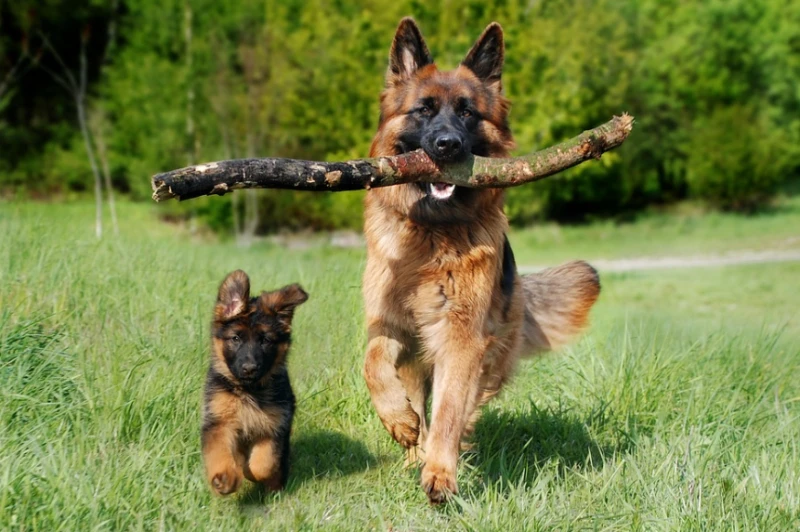
Wolves and dogs both belong to the Canidae family of mammals. There are 36 species in 13 genera worldwide, including dogs, wolves, jackals, foxes, etc.
The article begins by stating that wolves and dogs can interbreed. According to biological principles, interbreeding and reproduction can only occur within a single species. Does this mean that wolves and dogs belong to the same species?
Dogs and wolves share a common ancestor; dogs were domesticated from wolves approximately 15,000 to 40,000 years ago. The genomes of dogs and wolves share a 99% similarity, indicating a very close evolutionary link. Despite this high genetic similarity, dogs and wolves exhibit significant behavioral differences. Dogs typically display greater sociality and dependence on humans, while wolves possess a strong sense of territory and pack behavior. Long-term domestication and socialization have significantly altered the behavioral characteristics of dogs, making them more adapted to human family environments.

So, is a dog a separate species? There are two viewpoints: some biologists believe that dogs are a separate species, mainly based on their unique genetic characteristics and behavioral patterns formed during long-term domestication; but most scientists and taxonomists still tend to regard dogs as a subspecies of wolves, because their genetic and morphological similarities far outweigh their differences.
Therefore, it is now generally believed that dogs are biologically considered a subspecies of wolves. Although they have developed unique characteristics and behavioral patterns during evolution, these differences are not sufficient to make them a separate species.
Molecular biology research has further confirmed the kinship between dogs and wolves. Through comparative analysis of the genes of dogs and wolves, scientists have found that their genetic differences are insufficient to classify them as two distinct species. This further supports the view that dogs are a subspecies of wolves.

What is a subspecies? A subspecies refers to different groups within the same species that are geographically, ecologically, or behaviorally isolated. Dogs, as a subspecies of wolves, are highly similar to wolves genetically, but differ in appearance and behavior.
There is usually no reproductive isolation between subspecies, meaning that if they happen to meet, they can mate and produce fertile offspring. Therefore, wolves and dogs can mate.
Let's return to the question of chromosomes. Both dogs and wolves have 39 pairs of chromosomes, totaling 78.
Regarding research on canine chromosomes and genes, in 2005, researchers from 15 research institutions, including MIT and Harvard University, completed the DNA sequencing of a female boxer dog named "Tasha" and mapped the dog's genome. The researchers analyzed Tasha's 39 pairs of chromosomes in detail, totaling 19,300 genes containing 2.41 billion DNA base pairs, and cataloged 2.5 million single nucleotide polymorphisms.<sup>10</sup>
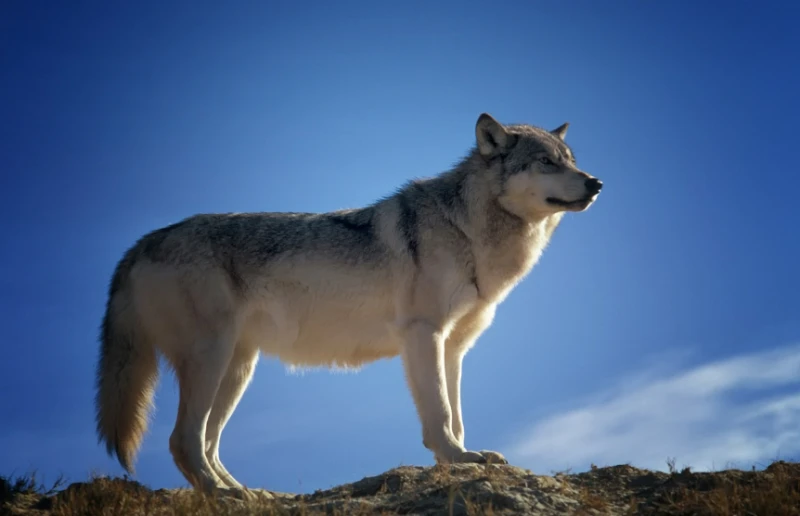
Like humans, dogs have two sex chromosomes, X and Y. Females have two X chromosomes, while males have one X chromosome and one Y chromosome.
Knowledge about dogs and the number of chromosomes in animals is important for facilitating successful hybridization between them. As mentioned earlier, it can serve as a basis for crossbreeding within the same species, which is typically done in dogs to produce what is known as "purebred" or "hybridized" dogs.
It is important to note that the number of chromosomes alone does not determine whether hybridization is possible. Chromosome shape and size, as well as the presence of lethal genes, should also be considered. Most importantly, it depends on the high degree of genetic similarity between the chromosomes.