Hamsters are adorable little rodents and delightful pets. They are curious, require minimal care, and make excellent companions for people of all ages. With proper care, a healthy diet, and a comfortable environment, a hamster can live for three years or longer.
Hamster lifespan: Average lifespan of different species
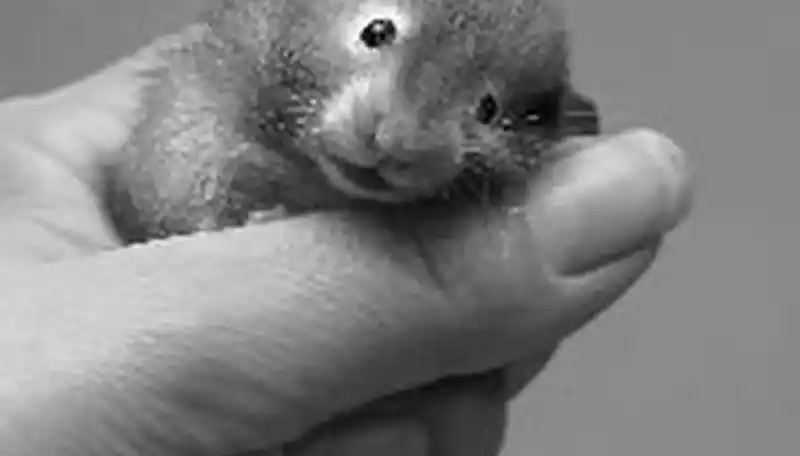
While hamsters are generally short-lived pets, their lifespan varies depending on the species and how they are cared for. The most common pet hamster is the Syrian hamster , which typically lives two to three years , but some hamsters can live up to four years. Dwarf hamsters , such as the Chinese hamster , Siberian hamster , and Roborovski hamster , usually live one to two years , but there are some exceptions that can live up to three years.
| Hamster type | Average lifespan |
|---|---|
| Syrian hamster | 2 to 3 years |
| Dwarf hamsters (Chinese hamster, Siberian hamster, Roborovski hamster) | 1 to 2 years (up to 3 years in some cases) |
While individual lifespans may vary, providing proper care can help ensure your hamster lives as long as possible.
Factors affecting hamster lifespan: care and feeding
A hamster's lifespan is closely related to the care and environment you provide. Providing the right diet, water, and living conditions is crucial to maximizing your hamster's lifespan.
Hamster diet: What to feed hamsters
A balanced diet is crucial for a hamster's health. Most hamsters are fed commercial hamster food containing seeds, protein pellets, and corn. Supplement their diet with fresh vegetables such as carrots , lettuce , and spinach . Occasionally, a small amount of almonds can also be a nice treat.
| Food to include | Foods to avoid |
|---|---|
| Fresh carrots | chocolate |
| spinach | onion |
| lettuce | garlic |
| Almonds (occasionally) | Sugary foods |
Make sure your hamster has access to fresh water at all times. Water bottles with a drinking tube are a great way to provide a continuous water supply. Change the water regularly to keep it clean.
Provide a suitable environment for the health of hamsters
Hamsters need a spacious living environment for proper exercise and mental stimulation. A spacious wire cage with a sturdy bottom is ideal. Includes an exercise wheel , tunnels , and toys to keep your hamster active. Toilet paper rolls and tissue rolls are perfect for exploring tunnels.
| Essential accessories | use |
|---|---|
| Exercise Wheel | Keep your hamster active |
| Tunnel (toilet paper roll) | Provides exploration fun |
| Sh Red Paper Bedding | Ideal choice for nest building |
Hamsters' teeth grow continuously, so providing them with hard, untreated wood blocks or dog biscuits will help maintain their dental health. A comfortable sleeping area, such as an inverted box with a small opening, will provide your hamster with a sense of security.
Hamsters are nocturnal animals, most active at night. To avoid disturbing your sleep, please place the cage in a room other than your bedroom.
Health Issues: Signs Your Hamster May Be Sick
Hamsters are prone to a variety of health problems, especially respiratory issues. It is important to monitor hamsters for any signs of illness to ensure they remain healthy.
Common health problems in hamsters
Respiratory diseases : Hamsters have small lungs, making them prone to respiratory problems. Ventilation , sudden temperature changes, and human illnesses such as the common cold can all lead to respiratory infections. Maintaining the temperature of your hamster's habitat between 65°F and 80°F can reduce the risk of illness.
Wet tail : One of the most serious diseases in hamsters is wet tail , which causes diarrhea, matted fur around the tail, and restlessness. If you notice these symptoms, consult your veterinarian immediately. Unfortunately, hamsters with wet tail often die within a week of the onset of symptoms.
Hair loss : If your hamster is experiencing hair loss (baldness), this could be a sign of mange or other skin conditions. A visit to a veterinarian is necessary for proper treatment.
| health issues | symptom | Response measures |
|---|---|---|
| Respiratory diseases | Coughing, sneezing, drowsiness | Place in a warm, windless place |
| wet tail | Diarrhea, tangled hair, irritability | Seek immediate medical advice |
| Hair loss (scabies) | Bald patches, itching | See a veterinarian for treatment |
Conclusion: Helps hamsters live longer and healthier lives.
Hamsters are relatively short-lived pets, but with proper care, their lifespan can be extended. By providing a healthy diet, a spacious and stimulating environment, and regular veterinary checkups, you can help your hamster live a long and happy life.
Please remember that while the typical lifespan of a hamster is two to three years , they can live much longer with proper care. Always be vigilant for signs of illness and ensure your hamster enjoys a stress-free, clean, and comfortable living space.