Marmots, also known as groundhogs ( Marmota monax ), are a common burrowing rodent in North America. As members of the squirrel family, marmots are widely known for the tradition associated with "Groundhog Day," but their diet is equally fascinating. So, what do marmots eat ? What impact do their dietary habits have on the environment? This article will delve into the diet, foraging behavior, and role of marmots in the ecosystem.
Basic knowledge about groundhogs
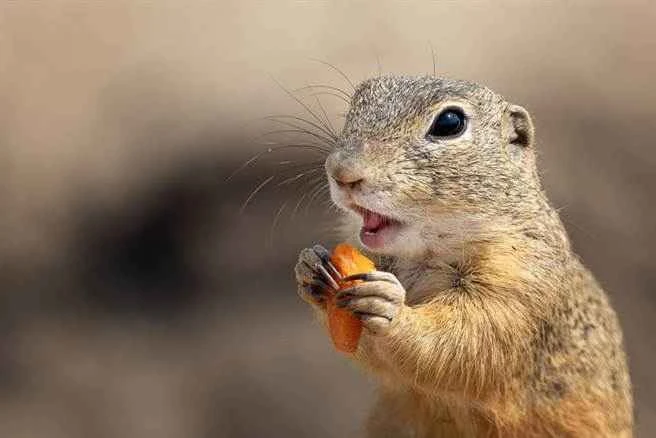
What is a groundhog?
Marmots are medium-sized rodents belonging to the genus *Marmot*, and are primarily herbivorous. They are known for their burrowing abilities and agile foraging skills.
Diet-related physical characteristics
Strong incisors :
Marmots have continuously growing incisors that allow them to easily gnaw on hard plant materials.
A huge stomach :
Their digestive systems are specifically designed to process fiber-rich grasses and plants.
The significance of paying attention to diet
Understanding what marmots eat can help us gain a deeper understanding of their behavior, habitat selection, and their impact on the natural and human environment.
What do marmots eat in the wild?
1. Main food: Herbivorous preference
Groundhogs are primarily herbivores, and their diet includes:
Grass and clover :
Grass and clover are the main components of a marmot's diet, especially in the spring and summer.
Wildflowers :
Marmots like to eat various wildflowers to supplement their vitamins and water intake.
Leaves and bark :
When green plants are scarce, marmots will feed on tree bark and leaves.
2. Seasonal dietary habits
The diet of groundhogs is adjusted according to seasonal changes:
Spring and summer :
Fresh green plants, wildflowers, and clover are their main food sources.
autumn :
To store energy for hibernation, groundhogs eat more foods rich in calories, such as fruits and nuts.
winter :
When groundhogs hibernate, they stop eating and rely on stored fat to survive.
3. Occasionally eating insects
Although extremely rare, when plants are scarce, marmots may eat some insects, such as grubs or earthworms.
What do groundhogs eat in gardens and farmlands?
1. Impact on the garden
When groundhogs enter the garden, they will eat the following foods:
vegetable :
Carrots, lettuce, beans, and peas are their favorites.
fruit :
They especially love fruits such as berries, apples, and melons.
2. Food in the farmland
Groundhogs also eat crops in farmland, such as corn and soybeans, causing problems for farmers. They prefer tender shoots and roots, which can lead to reduced crop yields.
3. Foraging on the lawn
In the suburbs, groundhogs typically forage on lawns:
Grassland plants.
Decorative flowers.
Young shoots of a shrub.
How do groundhogs find food?
1. Foraging Mode
Groundhogs are diurnal animals, primarily foraging at dawn and dusk.
They will emerge from their burrows and search for food within a range of 50 to 150 feet.
2. Using caves as a safe haven
Groundhogs tend to forage near their burrows so they can quickly escape if threatened.
3. Food reserves
Although marmots do not store food, they accumulate fat by eating large amounts of food in preparation for hibernation.
Why do groundhogs eat these foods?
1. Nutritional needs
Marmots need to consume food rich in carbohydrates, fiber, and water.
carbohydrate :
It comes from fruits and vegetables, providing energy for daily activities.
fiber :
Primarily derived from grasses and leaves, it aids in the normal functioning of the digestive system.
Moisture :
Marmots obtain most of their water from plants.
2. Seasonal adaptation
The diet of groundhogs helps them adapt to seasonal changes:
spring :
Nutrient-rich plants help them recover their energy after hibernation.
autumn :
High-calorie foods help store fat for hibernation.
3. Ecological Role
By consuming a variety of plants, marmots play an important role in the ecosystem:
Spreading seeds.
Regulate plant growth.
It provides food for predators and maintains ecological balance.
The impact of marmot diet on the ecosystem
1. Positive impact
Soil aeration :
Marmots dig burrows to help aerate the soil and promote plant root growth.
Plant control :
Their feeding behavior helps control the excessive growth of certain plant populations.
2. The Challenge to Humanity
Groundhogs' dietary habits sometimes conflict with human interests:
Destroying the garden :
They often invade vegetable gardens and flower beds.
Farmland losses :
Crops may be reduced due to groundhogs eating them.
3. Coexistence Strategy
Understanding what groundhogs eat can help in developing strategies to reduce conflict.
Protect your garden with a fence.
Plant plants that marmots don't like.
Provide alternative food sources in non-sensitive areas.
Fun facts about groundhog diet
Persistent forager :
Marmots spend several hours each day foraging for food to meet their nutritional needs.
Diverse dietary preferences :
Their diets can vary greatly depending on their habitat and available plants.
Highly efficient digesters :
The marmot's digestive system is able to extract large amounts of nutrients from plants.
Fruit lovers :
Fruits such as apples and melons are their "delicious snacks".
Highly adaptable to different diets :
When food is scarce, they survive on tree bark and leaves.
Frequently Asked Questions about What Groundhogs Eat
1. What do groundhogs eat most often?
Groundhogs primarily feed on grass, clover, and wildflowers. During the planting season, they will also eat vegetables and fruits.
2. Do groundhogs eat meat?
Marmots are herbivores, but in rare cases they may eat insects such as grubs or earthworms.
3. Do groundhogs eat human food?
While groundhogs may eat fruits and vegetables from the garden, they should not be fed processed foods, as this could affect their health.
4. How much does a groundhog eat each day?
During the active season, groundhogs can eat about a pound of food a day to store enough fat for hibernation.
5. Do groundhogs need to drink water?
Marmots get most of their water from the moisture in their food, but they will also drink from nearby water sources.
Conclusion: What groundhogs eat and its importance
The question of what groundhogs eat reveals insights into the lifestyles of these fascinating animals and their role in the ecosystem. From their love of lush greenery to their seasonal dietary adjustments, groundhogs demonstrate an amazing capacity for adaptation. While they may pose some challenges to gardens and farmlands, understanding their dietary needs can help us find ways to coexist peacefully with them. Groundhogs not only play a vital role in the ecosystem but also showcase the complexity and interconnectedness of nature.