Chow Chows are beloved for their unique appearance and independent nature. These dogs, with their "lion-like" manes, are not only charming in appearance but also popular as pets due to their distinctive personalities. However, owning a Chow Chow is not easy; they require special care and management. From diet, health, and behavior to breeding and training, every aspect demands meticulous attention.
This article will provide a comprehensive introduction to the Chow Chow , delving into its breeding, care, training, and health checks, and sharing best practices for raising Chow Chows.
Chow Chow's appearance and personality traits
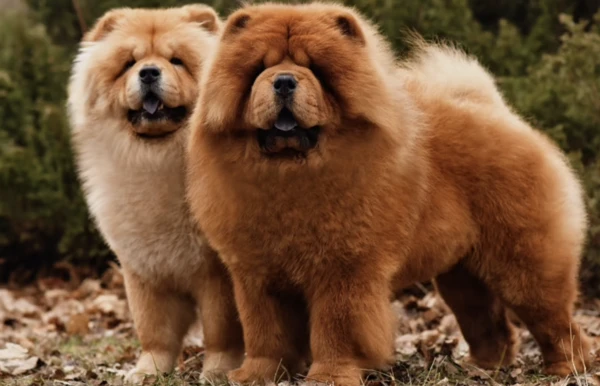
The Chow Chow is a breed of dog with a unique appearance and a regal air. Their most striking features are their lion-like mane and deep-set eyes. Chow Chows are sturdy and broad-shouldered, giving them an imposing presence.
Physical characteristics : Chow Chows have thick fur, which typically comes in a variety of colors such as red, black, blue, and cream. Their fur is very thick and requires regular brushing, otherwise it is prone to matting.
Temperament : Chow Chows are generally independent and calm. Although they are loyal to their owners, they are not as affectionate as other dogs. They rarely show enthusiastic excitement and sometimes even behave like a "cat," preferring to be alone.
Body type
Head : The Chow Chow has a large, broad head with a well-defined facial contour, giving it a very dignified appearance. Its eyes are deep-set, usually black or brown, and have a sharp gaze.
Mane : The most distinctive feature of the Chow Chow is its thick mane, which surrounds its neck like a lion's mane, adding to its majestic appearance.
Tail : The Chow Chow's tail is thick and curly, usually held high and gracefully curved over its back.
Limbs and skeleton : Chow Chows have strong, short limbs and a sturdy skeleton, which makes them appear very robust and stable.
Chow Chow's weight and size
Body shape and weight
Chow Chows are medium-sized dogs, with slight differences in size between males and females. They give a very strong impression, especially their bushy mane, which makes them look even more imposing. The approximate height and weight of a Chow Chow are as follows:
Male Chow Chows : Males typically stand between 18 and 20 inches (46 to 51 cm) tall and weigh between 55 and 70 pounds (25 to 32 kg) .
Female Chow Chows : Females typically stand between 17 and 19 inches (43 to 48 centimeters) tall and weigh approximately 45 to 60 pounds (20 to 27 kilograms) .
Chow Chow Breeding: How to Breed Scientifically
If you are planning to breed Chow Chows, it is very important to understand their breeding habits and precautions. Here are some key points about Chow Chow breeding:
Breeding time
Breeding Age : The optimal age for Chow Chows to breed is typically 2 to 3 years old. At this age, Chow Chows have reached sexual maturity and possess better reproductive capabilities.
Health Check : Before breeding, ensure the Chow Chow is in good health by conducting necessary health checks, including physical examinations and vaccinations. Avoid breeding dogs with genetic diseases.
Pairing selection
Choosing the right mate : When pairing, pay special attention to the genetic health and temperament compatibility of the two Chow Chows. Hereditary diseases (such as hip dysplasia and eye problems) are relatively common in Chow Chows, so choose a healthy dog with a stable temperament as a mate.
Pregnancy and childbirth
Pregnancy management : The gestation period for Chow Chows is approximately 9 weeks (63 days). During pregnancy, provide them with adequate nutrition to ensure their health.
Preparation for delivery : Provide a quiet and safe delivery environment for your Chow Chow. The owner will need to assist during delivery, especially when the mother dog needs support.
Chow Chow Diet Management: Secrets to Maintaining a Healthy Body Shape
Diet is crucial to the health of Chow Chows. Because they are prone to obesity, proper diet management is key to raising a healthy Chow Chow.
Dietary guidelines
High-quality dog food : Choose premium dog food to ensure your Chow Chow gets enough nutrition. A balance of protein, fat, vitamins, and other nutrients is very important.
Avoid overfeeding : Chow Chows are prone to obesity, especially when they lack exercise, so it's important to control their food intake. Feed them at regular times and in measured amounts each day, avoiding overfeeding.
Keep them hydrated : Make sure your Chow Chow has enough fresh water to drink, especially after exercise and during hot summer days.
Food taboos
Avoid harmful foods : Chow Chows should not eat human foods such as chocolate, grapes, and onions. Some foods may have serious effects on their health.
Health check and common diseases of Chow Chows
Regular health checkups are key to keeping Chow Chows healthy. They have certain health issues that require special attention.
Common diseases
Hip dysplasia : Chow Chows are prone to hip dysplasia, a hereditary disease that can cause joint pain and difficulty moving.
Eye problems : Chow Chows are prone to eye diseases such as corneal ulcers and cataracts, so regular eye health checkups are very important.
Respiratory problems : Due to their nasal structure and facial shape, Chow Chows may experience breathing difficulties, especially in high-temperature environments.
Key points of health check
Regular check-ups : Take your Chow Chow for a comprehensive check-up once a year to ensure there are no potential health problems.
Oral care : Chow Chows also need regular brushing to maintain oral health. Not brushing their teeth for a long time can lead to oral diseases.
Chow Chow Behavior and Training: How to Cultivate Good Habits
Chow Chows are independent dogs and not as easy to train as some other breeds. Therefore, training a Chow Chow requires patience and the right methods.
Behavioral Analysis
Highly independent : Chow Chows are not very dependent on their owners. They are usually quiet and independent, which is part of their charm.
Sometimes aggressive : Chow Chows can sometimes exhibit territoriality, especially when encountering strangers or other pets. Without good socialization experience, they may appear overly defensive or aggressive.
Training techniques
Early socialization : Exposing Chow Chows to different people, animals, and environments from a young age helps reduce their fear and aggression.
Basic command training : When teaching a Chow Chow basic commands such as "sit" and "stand by," be patient and gentle. Use positive reinforcement to reward their good behavior.
Avoid overly harsh training : Chow Chows do not like overly forceful training methods, so gentle and positive training methods are most effective.
The history and development of Chow Chow
The Chow Chow has a long and mysterious history, and many people believe it to be one of the oldest dog breeds, with origins dating back thousands of years to China.
origin
The Chow Chow has a long history, with the earliest records dating back to around 2000 BC in China. At that time, they were widely used as pets in royal courtyards and noble families, and were also important working dogs. Chow Chows were used for herding livestock, pulling sleds, and as hunting dogs.
In China , the Chow Chow's name comes from its appearance—"pine" refers to the shape of its coat, and "lion" refers to its resemblance to a lion. The Chow Chow was historically a royal breed in China, revered as a sacred animal. It frequently appears in ancient murals and sculptures, symbolizing aristocratic status.
Exported to the West : In the late 19th century, Chow Chows began to be brought to Europe, especially Britain and France, and gradually entered the North American market in the early 20th century. As their popularity grew, Chow Chows became a favorite among pet lovers around the world.
Early Uses and Historical Roles
Originally bred for working purposes, Chow Chows were primarily used for herding animals, hunting, and protecting families. Their independence and alertness made them highly reliable guard dogs.
Guard dogs : Due to their independent nature and strong protective instincts, Chow Chows are often used to protect families and wealth, especially in wealthy families in China.
Hunting and Herding Dogs : Chow Chows also participate in hunting activities, helping their owners hunt large animals. Due to their strong physique and stamina, Chow Chows were also used to help shepherds guard their flocks.
Cultural symbols and legends
Chow Chows hold an important place not only in Chinese culture, but also worldwide, symbolizing nobility, power, and prestige. Especially in China, Chow Chows were once pets of the imperial court and are often seen as symbols of good fortune, authority, and wealth.
In Chinese tradition , the Chow Chow was considered a symbol of royalty in ancient China, and many emperors favored it as their court dog. The Chow Chow's majestic image frequently appears in ancient artifacts and works of art. Especially in Buddhist temples, the Chow Chow was regarded as a sacred guardian dog.
Western Influence : When Chow Chows were introduced to Europe in the late 19th century, they became pets of the nobility and upper class, quickly winning the hearts of many families. Especially in Britain, their noble temperament and independent character made them a symbol of status among the upper class.
Transformation since the 20th century
In the 20th century, Chow Chows gradually became pets in families around the world, and their ownership expanded beyond the aristocracy. With improvements in breeding techniques, Chow Chows have evolved into more diverse breeds, but their majestic and independent nature remains their most appealing qualities.
Popularity in the United States : The number of Chow Chows began to grow in the United States in the mid-20th century, especially in the late 1980s. They became one of the most popular family dog breeds, with many families appreciating their independence and loyalty.
Breed Standards and Improvements : As the breeding of Chow Chows has become more widespread, the breed standards have also been continuously improved. Modern Chow Chows are gradually approaching the standard in terms of size and appearance, and are also healthier and more stable.
The Future of the Chow Chow: A Revolution in Technology and Pet Care
With the development of technology, pet care has also undergone significant changes. New technologies have provided more convenience and choices for families who own Chow Chows.
Smart devices
Smart feeder : A smart feeder can help you feed your Chow Chow on time and in the right amount, avoiding overfeeding.
Health tracker : By wearing a health tracker, owners can monitor their Chow Chow's activity level, sleep patterns, and health indicators in real time.
Telemedicine
Remote medical services : If your Chow Chow has minor illnesses or pains, you can consult with a veterinarian remotely to get timely professional advice.
Pet App
Pet behavior analysis : Some pet apps can help owners analyze their Chow Chow's behavior, identify potential problems, and provide solutions.
Conclusion: The Responsibilities and Challenges of Owning a Chow Chow
Owning a Chow Chow is a responsible job. They require you to provide them with adequate food and health care, as well as time for training and behavior management. With their companionship, you will discover that Chow Chows are very independent and charming pets.
From breeding to training, from diet management to health checks, every step requires your meticulous care. With continuous technological advancements, Chow Chow care will become more efficient and convenient in the future. Whether through smart devices or professional pet service platforms, as a Chow Chow owner, you can enjoy even more assistance.
By following the best practices provided in this article, you can better care for your Chow Chow and ensure they have a healthy and happy life.