A comprehensive guide to guinea pig care, health, behavior, and other common issues.
Table of contents
What is a guinea pig?
How to care for a guinea pig
Arrange their living space
Dietary precautions
Daily cleaning and grooming
Guinea pig health management
Common health problems
The Importance of Seeing a Veterinarian
Guinea pig lifespan
Understanding Guinea Pig Behavior
Social needs
Guinea pig sounds
Exercise and play
Types of guinea pigs
Introduction to common guinea pig breeds
Differences between male and female guinea pigs
Where can I get guinea pigs?
Guinea pig price and cost
Initial and long-term expenses
Guinea pig training techniques
How to train a guinea pig to use a toilet
Are guinea pigs suitable pets?
1. What is a guinea pig?
Guinea pigs, also known as cavies, are docile small rodents native to South America. Their friendly, harmless nature and easy-to-care-for size make them popular pets for many families.
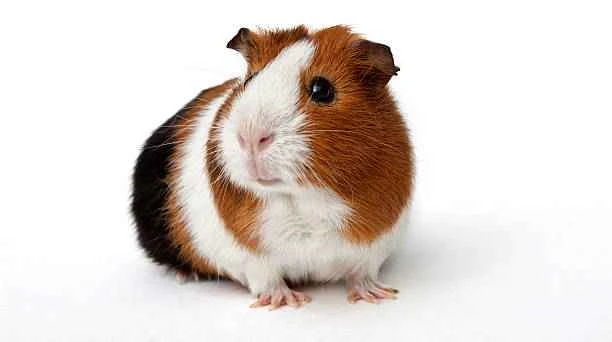
If you're considering getting a guinea pig, you first need to understand their basic needs, care requirements, and the potential responsibilities involved. Let's take a closer look at how to care for these adorable little creatures!
2. How to care for guinea pigs
Arrange their living space
Guinea pigs need a spacious cage with enough room to move around and rest. At least 7.5 square feet of space is needed per guinea pig. Choose a cage with a flat bottom rather than a mesh bottom to avoid injuring their feet.
Items in the guinea pig cage:
Soft mattress : Use a wood shaving or paper mattress, which can absorb moisture and keep clean.
Water bottle or bowl : Provide a clean water source.
Food bowl : A bowl for holding food for guinea pigs.
Hiding places : Guinea pigs like to hide in safe places, such as a small house or tunnel.
Chewing toys : Guinea pigs' teeth need constant wear and tear, so providing them with safe chew toys is essential.
Guinea pig diet
Guinea pigs have special dietary requirements; it is essential to ensure they receive ample amounts of vitamin C, as they cannot synthesize this nutrient on their own.
Grass : Grass should be their staple food, especially Timothy grass.
Fresh vegetables : such as carrots, cucumbers, spinach, celery, etc.
Specialized guinea pig pellets : There are pellet feeds on the market specifically designed for guinea pigs. Remember to choose those containing vitamin C.
Fruit : Fruits such as strawberries, blueberries, and apples can be provided in moderation.
Foods to avoid feeding: Do not feed guinea pigs iceberg lettuce, as it has a high water content and can easily cause stomach upset.
Daily cleaning and grooming
Guinea pigs are clean animals, but they still need your help with cleaning:
Fur care : Short-haired guinea pigs only need to be brushed once a week, while long-haired guinea pigs need to be brushed daily to prevent their fur from getting tangled.
Clean the cage : Clean the cage thoroughly once a week to ensure the environment is clean and odor-free.
3. Health Management of Guinea Pigs
Common health problems
The main health problems of guinea pigs include the following:
Dental problems : Guinea pigs' teeth grow continuously, so they need to chew on things to wear them down. If they don't have enough food to wear down their teeth, they may develop overgrown teeth.
Respiratory infection : If your guinea pig has symptoms such as coughing or difficulty breathing, it may have a respiratory infection and you should take it to the vet as soon as possible.
Abdominal distension : If the guinea pig's abdomen is distended, it may indicate a gastrointestinal problem and requires prompt veterinary attention.
Scurvy : If guinea pigs are deficient in vitamin C, they may develop scurvy, which can cause symptoms such as weakness and joint pain.
The Importance of Seeing a Veterinarian
Guinea pigs are small animals, and if they get sick, the symptoms may be subtle. Therefore, regular health checkups are very important, especially for young guinea pigs.
Guinea pig lifespan
Guinea pigs typically live for 4-6 years, but some can live up to 8 years. As they age, they may become more docile and require more careful care and medical support.
4. Understanding guinea pig behavior
Social needs
Guinea pigs are very social animals and enjoy interacting with their own kind. If possible, it's best to have two guinea pigs; they can keep each other company and reduce loneliness. If you only have one, you'll need to spend more time interacting with it.
Guinea pig sounds
Guinea pigs communicate with humans and other guinea pigs through various sounds:
Screaming : They scream when they are excited or crave attention.
Gurgling sounds : These are the sounds they make when they are happy or relaxed.
Dudu sound : Guinea pigs may make a dudu sound if they are stressed or unhappy.
Exercise and play
Guinea pigs need regular exercise. They like to run around in a safe area outside their cage, so it's essential to provide them with an enclosed space to move around.
5. Types of Guinea Pigs
Guinea pigs come in different breeds, each with its own distinct appearance and temperament. Here are some common guinea pig breeds:
| variety | physical characteristics | Hair type |
|---|---|---|
| guinea pig | Short and stout build, with a wide face. | Short hair, smooth |
| Peruvian guinea pig | Long hair, full of fluidity | Long hair |
| Abyssinian guinea pig | The fur is rose-shaped and the hair is curly. | Short hair, fluffy |
| Silky Guinea Pig | The fur is silky smooth and soft to the touch. | Long hair |
| Teddy guinea pig | The fur is thick and curly. | Short hair, curly |
Differences between male and female guinea pigs
Male guinea pigs are usually larger than females, but their temperaments are not significantly different. Male guinea pigs can sometimes be more territorial, so if you keep two male guinea pigs, make sure they have enough space.
6. Where can I get guinea pigs?
You can obtain guinea pigs through the following methods:
Animal adoption centers : Many guinea pigs need a new home and can be found at adoption centers.
Professional breeder : If you wish to select a specific breed of guinea pig, you may consider contacting a professional breeder.
Rescue organizations : Many rescue organizations specialize in adopting guinea pigs and finding them new homes.
7. Price and cost of guinea pigs
Initial costs
The initial costs of owning a guinea pig may include:
Cage: $50-$150
Mattress and food bowl: $10-$30
Chewing toys and accessories: $10-$30
Food and vegetables: $15-$30 per month
Long-term costs
Approximately $20-$40 per month is needed to purchase consumables such as food and mattresses.
Long-term expenses
Over time, the guinea pig's health care and cage replacement will also incur costs, and the total cost may be over $1,000.
8. Guinea Pig Training Techniques
Toilet training
Guinea pigs can be potty trained. You can place a small potty in their usual spot, and after a while, they may start urinating or defecating there on their own.
Behavioral training
If your guinea pig exhibits chewing or unruly behavior, you can train it by rewarding its good behavior. Using treats as rewards is very effective.
9. Are guinea pigs suitable pets?
If you can provide guinea pigs with enough space, time, and love, they can make wonderful pets. They are gentle in nature and don't require complicated care, but you still need to pay attention to their diet, environment, and health every day.
In short, guinea pigs are great family pets, especially for those with the time and patience to care for them. If you're prepared, they can become wonderful companions in your life!
This article aims to help you gain a comprehensive understanding of guinea pig care, health, and behavior, so that you can be fully prepared when deciding whether to keep a guinea pig!