The hoopoe (scientific name: *Upupa epops *) is one of the most popular birds in the Spanish Mediterranean region, widely known for its distinctive call, striking crest, and unique body odor. Even more surprisingly, Spanish hoopoe breeding contributes the most to the overall European population, with an estimated 500,000 pairs breeding there. This article will provide an in-depth overview of the hoopoe's physical characteristics, habitat, diet, and breeding behavior.
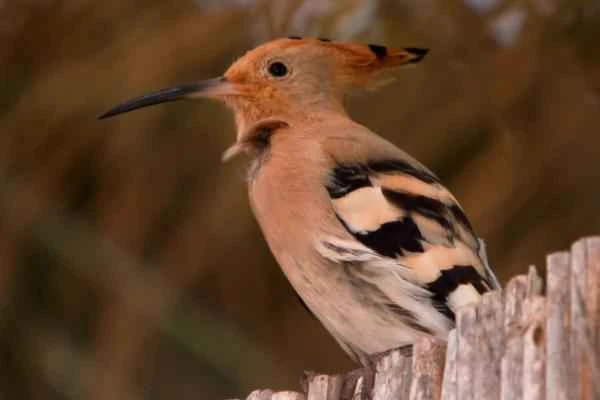
Table of contents
Physical characteristics of hoopoes
Hoopoe habitat
Hoopoe's diet
Hoopoe breeding habits
Physical characteristics of hoopoes
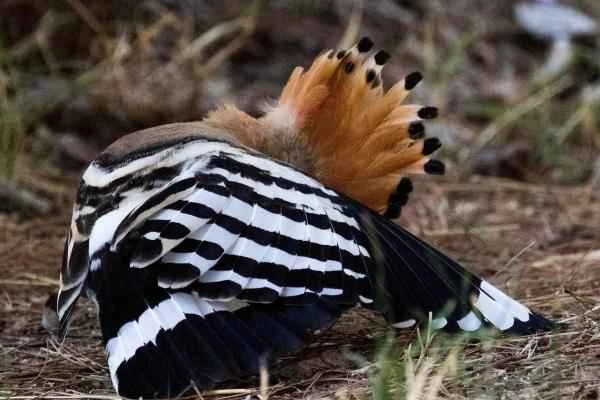
The most distinctive feature of the hoopoe is its crest, which is brown with black tips. Normally, the crest is folded up, but it unfolds like a fan when resting, courting, or disturbed, making it appear larger.
Its body feathers are light brown to orange-pink, with black stripes on its wings and back, echoing the crest feathers.
Sexual dimorphism is not obvious; the female's coloration is slightly duller than the male's.
Body length approximately 27 cm, wingspan 44-48 cm
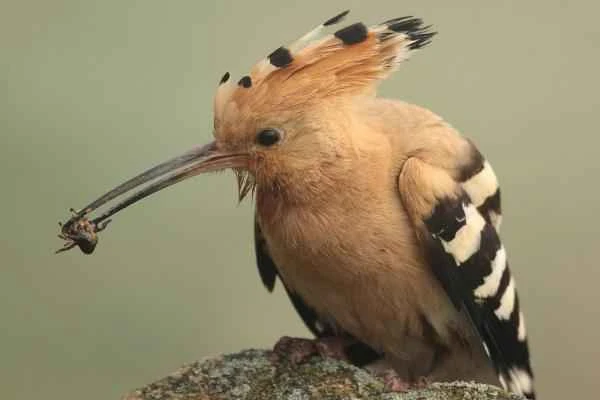
The mouth is long and curved, slender and dark.
The flight path is wavy, similar to a butterfly, with rapid and irregular changes in direction.
When its wings are spread, it reveals pure white feathers, making it a magnificent sight in flight.
They use sand baths to clean their feathers instead of water baths to remove parasites.
Its distinctive, long, piercing "pu-pu-pu-pu" call can be heard day and night in spring, sometimes accompanied by a "waa-waa" sound.
Hoopoe habitat
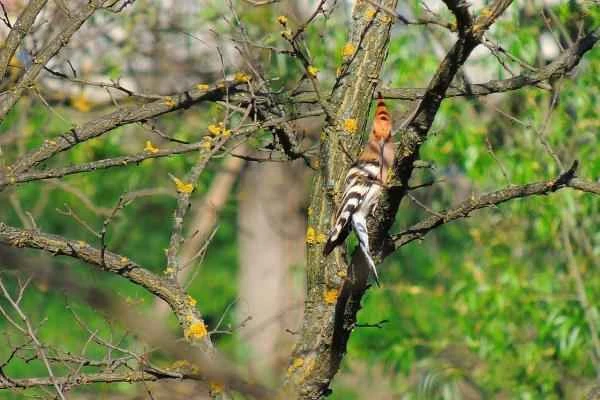
Hoopoe prefers dry environments, including grasslands, semi-desert areas, oak forests, open woodlands, orchards, and sparsely vegetated, porous white soils. They typically avoid the cold or humid mountainous regions of the north.
They belong to the sub-Saharan migratory bird species and migrate to East Africa during the winter. Spanish species are mainly distributed in warmer climates, such as:
Balearic Islands
Canary Islands
In addition, the hoopoe is also distributed along the Pacific coast of China, northern Türkiye, and northern India.
Hoopoe's diet
The hoopoe has a long, curved beak, which it uses to dig for larvae and insects in the soil, and it also searches for prey by turning over small stones and fallen leaves. Its main diet includes:
grasshopper
cricket
Myriapods (millipedes, etc.)
spider
earthworm
caterpillar
pupa
When hunting, they nimbly peck at their prey with their beaks and toss it into the air to catch it. Hoopoe does not need to drink extra water, as it can obtain enough moisture from its food, thus adapting to the water-scarce conditions of the semi-desert environment.
Hoopoe breeding habits
Hoopoe birds are oviparous and reproduce through internal fertilization. Their migration is closely related to the breeding season, and it occurs twice a year: postpartum (August to October) and prepartum (March to May).
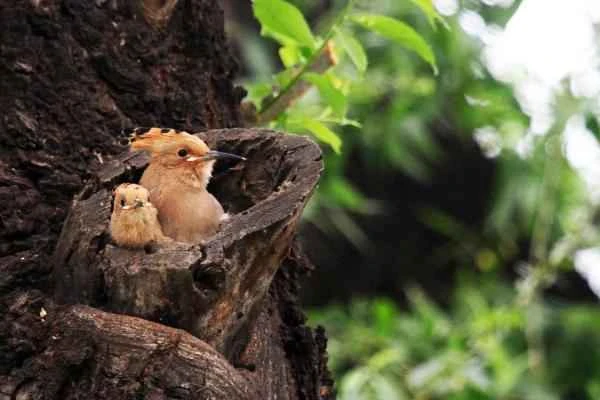
The breeding season is usually in May. The male attracts the female by calling and spreading its crest feathers. Nesting sites are mostly chosen in tree trunk crevices, decaying tree holes, piles of stones, or wall cracks. The nest is changed every year and is lined with only a small amount of leaves.
The hoopoe does not clean its nests of droppings, but uses scent to repel predators. Its distinctive body odor is notorious, and this is also a defense mechanism.
Each clutch contains 5 to 10 eggs, which are primarily incubated by the female for 15-20 days. The chicks are born almost blind and featherless, and leave the nest after about 20 days. Their parents feed them and teach them survival skills. Both the chicks and the mother secrete a foul-smelling liquid to defend themselves against predators. Hoopoe birds have a lifespan of approximately 5 years.
Conclusion
The hoopoe, with its unique appearance and ecological habits, is an important bird species in the Mediterranean region. Understanding their habits and environmental needs will help to better protect this species.
To learn more about animal ecology, please visit our "Wildlife" section.
bibliography
Spanish Ornithological Society. (Ibid.) *Grandmother*. Accessible at: https://seo.org/bird/bubble/
Iberian Fauna (same as above), *Bubble Upupa epops*. Accessible at: https://www.iberica.org/bubble
Walnuts, E. (2007). Baza Sierra Project: Abubilla. Accessible at: https://sierradebaza.org/technical-figures/wildlife-figures/bird-figures/birds-ab/abubilla-upupa-epops