Tarantulas are incredibly cool pets, and molting is one of the most amazing processes in their life cycle. If you own a tarantula, this process can be both surprising and nerve-wracking. So, what exactly is tarantula molting? And how should we care for them? Today, we'll tell you everything you need to know about tarantula molting, so you can confidently accompany your eight-legged companion!
Table of contents
What is tarantula molting?
Signals of a tarantula before molting
How do tarantulas molt?
Care tips during peeling
Common Peeling Problems and Solutions
Frequently Asked Questions about Tarantula Molting
Summarize
1. What is tarantula molting?
The tarantula's body is encased in a hard exoskeleton, which acts like a bodysuit and cannot expand as the body grows. To grow larger, they must periodically shed their old exoskeleton, a process called molting .
Young tarantulas molt frequently, about once every few weeks to every few months.
An adult tarantula may molt only once a year.
Shedding skin is not only for growth, but also helps them repair physical damage, such as broken legs.
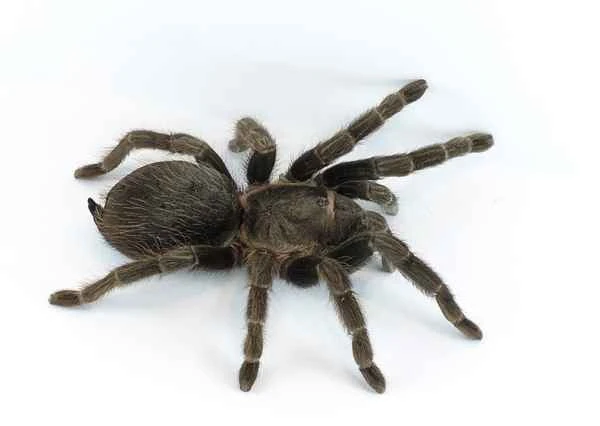
2. Signs a tarantula is about to molt.
Before molting, tarantulas will give off some obvious signals:
Lying still: If your tarantula is lying on its back with its belly up, don't panic! It's preparing to molt, not dead.
Refusal to eat: It is normal for tarantulas to stop eating a few days or even weeks before molting.
Dull color: Old exoskeletons may become dull or dry and look without luster.
Slowed movements: They become lethargic, as if they just want to hide and stay still.
3. How does a tarantula molt?
The peeling process is amazing; here's a step-by-step explanation:
Tarantulas will roll over and lie on their side, which is the standard molting posture.
It uses the fluid inside the body to create pressure between the old and new exoskeletons, causing the old bone to crack.
Then, it slowly pulled its body out of the old shell, starting from its legs and continuing until its entire body emerged.
The entire process can take anywhere from 30 minutes to several hours.
Note: Do not disturb it while it is peeling! It is very fragile at this stage.
4. Care tips during peeling
Your tarantula needs a quiet and suitable environment when it's molting. Here are some care tips:
Increase humidity: Keep the humidity in the enclosure moderate. You can lightly spray a little water mist, but do not wet the tarantula.
Do not touch: The tarantula is very vulnerable at this time, so avoid touching it or making any vibrations.
Do not feed them: Wait a few days after they molt before feeding them, because their teeth (chelicerae) have not yet hardened and they cannot eat.
Keep the environment quiet: reduce noise and vibration so that the tarantula can molt smoothly.
5. Common Peeling Problems and Solutions
While most tarantulas can molt successfully, they may encounter some problems:
Exoskeleton stuck: If you find that the old exoskeleton has not completely come off, you can gently moisten the stuck part with a damp cotton swab. Never pull it with force!
Unsuitable environment: Low humidity may make shedding difficult, so ensure a suitable environment for keeping the animal.
Weakness after peeling: This is normal, but if you haven't regained your vitality after a week, you may need to consult a specialist.
6. Frequently Asked Questions about Tarantula Molting
Q1: How often do tarantulas molt?
Young tarantulas molt every few weeks to every few months, while adults molt about once a year.
Q2: How long after molting can I hold a tarantula?
Don't rush it; wait at least a week for its exoskeleton and chelicerae to fully harden.
Q3: Why do tarantulas stop eating before molting?
This is normal; they need to store energy for shedding.
Q4: How can you tell if a tarantula is molting or dead?
When tarantulas molt, they are usually lying down, while dead tarantulas are mostly curled up in a ball. If you are unsure, you can observe it for a few hours.
Q5: What does a tarantula look like after it molts?
After molting, tarantulas are usually more brightly colored and their bodies look smoother.
7. Summary
The molting process of tarantulas is both natural and fascinating, but it requires your careful attention. Learning to recognize molting signals, providing a suitable environment, and understanding potential problems will allow your tarantula to easily complete this crucial stage of growth. After molting, the tarantula will be transformed, displaying an even more captivating appearance.
Take good care of your tarantula, and it will reward you with a healthy and fun little world!